
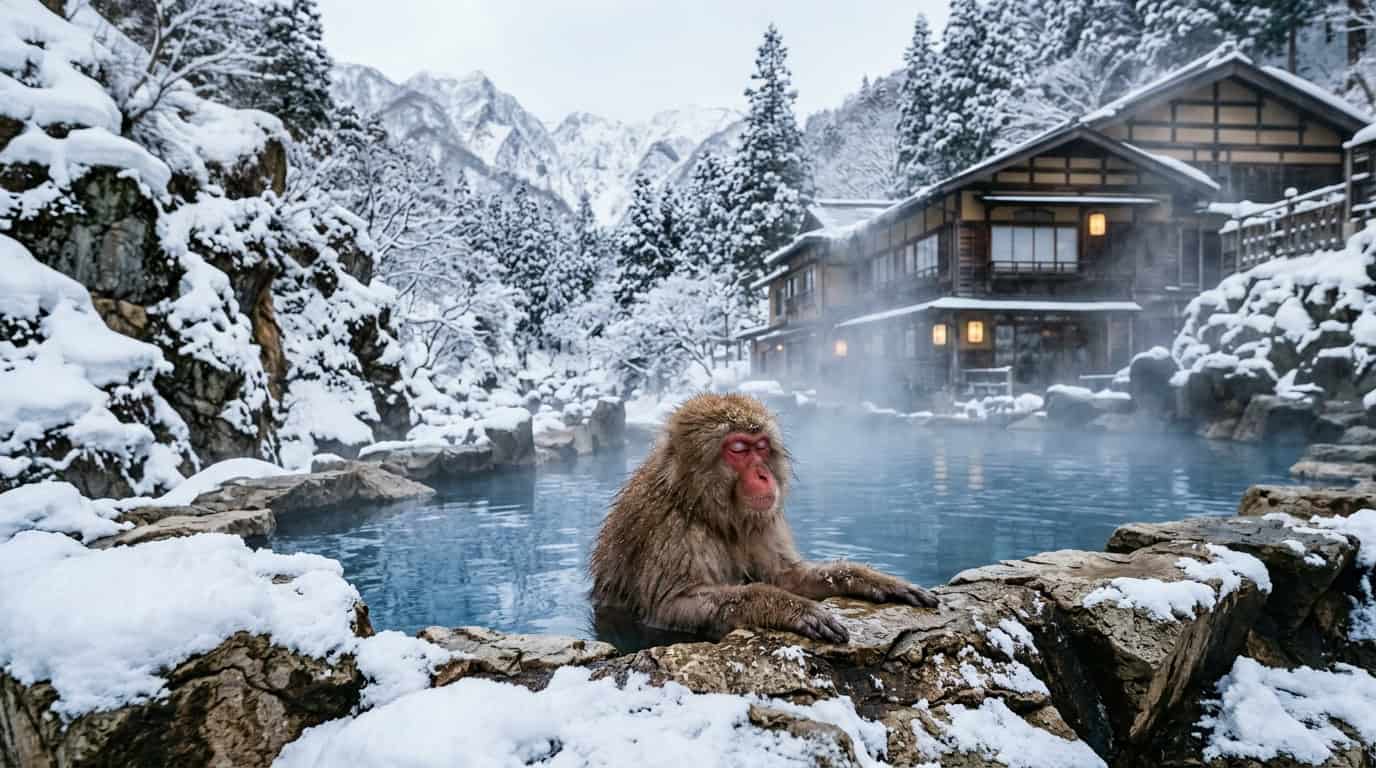
There is a specific magic that settles over the Japanese Alps when the first heavy snowfall transforms the rugged peaks into a shimmering, white sanctuary. Ever since I first stepped off the Shinkansen and felt that crisp mountain air, I’ve been captivated by how this region balances its Olympic-sized thrills with quiet, spiritual moments. This nagano winter itinerary is designed to take you beyond the crowded slopes and into the soul of the prefecture, where ancient traditions and steaming hot springs await.
Whether you are dreaming of watching snow monkeys soak in thermal waters or tasting freshly pressed sake in a historic brewery, the journey from Tokyo to Nagano is a seamless transition into a winter wonderland. I’ve found that the best way to experience this region is by using Nagano City as your home base, allowing you to blend high-energy adventure with deep cultural immersion. From the morning chants at Zenko-ji Temple to the hidden forest trails of Yamanouchi, every stop on this trip offers a chance to see Japan at its most serene.
Key Takeaways
- Base your stay in Nagano City to balance modern convenience with easy access to high-altitude adventures and historic morning rituals at Zenko-ji Temple.
- Combine spiritual exploration with nature by visiting the 400-year-old cedar forests of Togakushi and the iconic Jigokudani Monkey Park for a deep connection to the region’s landscape.
- Participate in local traditions like the nine-bath crawl in Shibu Onsen and handmade soba tasting to experience the authentic hospitality of the Japanese Alps.
- Utilize the Hokuriku Shinkansen for a seamless 90-minute transition from Tokyo, and use regional rail passes to efficiently navigate the alpine countryside.
Spiritual Mornings At Zenko-ji And Togakushi Forest
To truly experience the spiritual soul of the Japanese Alps, I recommend starting your morning before the sun fully peaks over the mountains at Zenko-ji Temple. As the crisp winter air fills your lungs, you can join the O-asai morning service to witness the mesmerizing fire ceremonies and rhythmic chanting of the monks. Walking through the temple grounds in the snow feels like stepping back centuries, especially when you catch the scent of incense drifting through the cold air. After the ceremony, make sure to wander down the Nakamise shopping street to grab a steaming hot oyaki dumpling, a local specialty that warms your hands and your heart. This ritual provides a grounding, peaceful start to your Nagano adventure that connects you deeply to the local culture.
Once you have soaked up the atmosphere in the city, take a short trip into the highlands to explore the mystical Togakushi Forest. This area is home to some of the most impressive natural scenery in Japan, featuring a legendary avenue of 400-year-old cedar forests that lead toward the upper shrine. I found that strapping on a pair of snowshoes is the best way to navigate the deep drifts while enjoying the silence of the towering evergreens. The contrast of the dark, ancient bark against the brilliant white snow creates a visual masterpiece that feels almost otherworldly. It is a tranquil escape that perfectly balances the cultural intensity of the morning with the raw beauty of the alpine wilderness.
Steaming Onsens And The Iconic Jigokudani Snow Monkeys
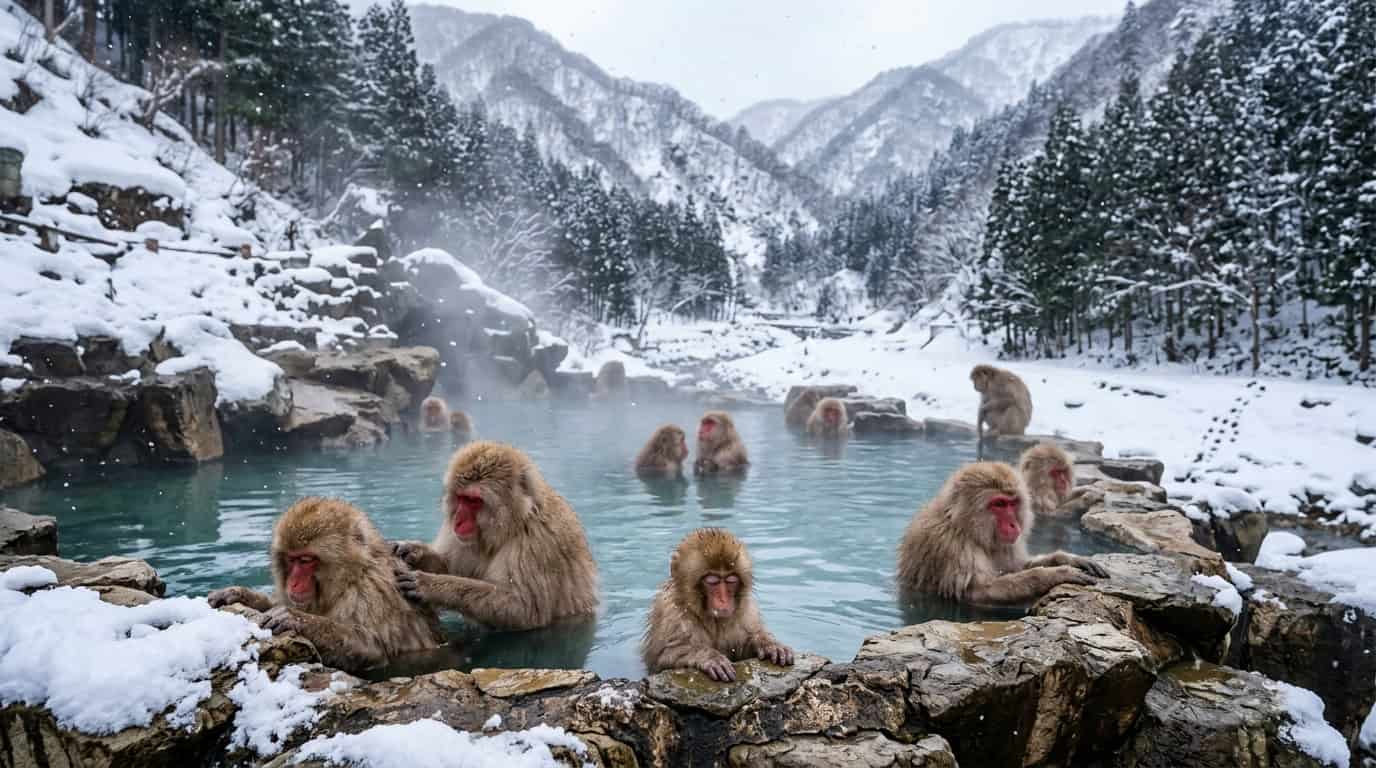
Stepping into the snowy forests of Yamanouchi feels like walking into a living postcard of the Japanese Alps. The trail to the Jigokudani Monkey Park is a scenic thirty-minute trek through towering cedar trees that sparkle with fresh powder. Once you arrive at the natural hot spring pool, you will see the famous wild macaques lounging in the thermal waters to escape the winter chill. It is a surreal and heartwarming sight to watch them groom each other or doze off with bright red faces. I recommend arriving early in the morning to beat the crowds and capture the most peaceful photos of this unique alpine phenomenon.
After your morning with the monkeys, head down the mountain to the historic streets of Shibu Onsen for a truly traditional experience. This charming village is famous for its cobblestone lanes and wooden ryokans that look like they belong in a Studio Ghibli film. If you stay overnight at a local inn, you receive a master key to the nine public bathhouses scattered throughout the town. This ritual, known as the nine-bath crawl, involves visiting each small wooden spring to collect stamps on a commemorative cloth. Completing the circuit is said to bring good fortune and is the perfect way to thaw out after a day in the snow.
Nagano is the heart of Japan’s winter culture, and this portion of the itinerary perfectly balances wild nature with ancient hospitality. While many visitors rush to the ski slopes of Hakuba, spending time in these steaming hot spring towns offers a deeper connection to the local lifestyle. You can wander the misty streets in a traditional yukata and wooden geta sandals, listening to the rhythmic click-clack on the stones. Between the curious snow monkeys and the healing mineral waters, this experience captures the quiet magic of the Japanese winter. It is an essential stop for anyone wanting to discover the soul of Japan beyond the chairlifts.
Hakuba Valley Adventures And Authentic Soba Tasting
Stepping onto the crisp powder of the Hakuba Valley feels like walking directly into a piece of Olympic history. As I strapped into my snowboard, I could practically feel the lingering energy of the 1998 Winter Games echoing across the expansive, snow-capped peaks. These slopes offer some of the most exhilarating vertical drops in the Japanese Alps, catering to everyone from adrenaline-seeking professionals to those finding their balance for the first time. The sheer scale of the terrain is breathtaking, with wide runs that provide panoramic views of the jagged mountains against a brilliant blue winter sky. It is a world-class experience that perfectly captures the majestic, high-altitude spirit of Nagano.
After a morning of carving through the legendary powder, nothing beats the cozy refuge of a traditional mountainside eatery. I highly recommend ducking into a rustic, wood-beamed shop to warm up with a bowl of authentic handmade Shinshu soba. Nagano is famous for its buckwheat, and watching a local master craft the noodles by hand before they are served in a steaming, savory dashi broth is a culinary highlight you cannot miss. The earthy flavor of the noodles paired with crispy vegetable tempura provides the perfect fuel for more alpine adventures. Sitting by a crackling fire while the snow falls softly outside creates an intimate, peaceful atmosphere that balances the day’s excitement.
For those planning their own Hakuba itinerary, I suggest spending at least two full days exploring the different resorts within the valley. Start your morning early at Happo-One to beat the crowds and enjoy the groomed Olympic runs before they get tracked out. In the afternoon, take a short shuttle to a nearby village for a guided soba-making workshop where you can try your hand at rolling the dough yourself. End your day by soaking in an outdoor onsen, watching the steam rise into the freezing mountain air as you reflect on the incredible landscape. This blend of high-energy sport and deep cultural tradition is exactly what makes a winter break through Nagano so unforgettable.
Getting to the Heart of the Alps
Getting to the heart of the Japanese Alps is surprisingly simple thanks to the Hokuriku Shinkansen, which whisked me from the neon lights of Tokyo to Nagano City in just under ninety minutes. I highly recommend purchasing a rail pass if you plan on exploring the surrounding areas, as these tickets offer incredible value for high-speed travel. Once you arrive at Nagano Station, the local bus networks and private railway lines become your best friends for reaching the snow monkey park or the hidden gems of Togakushi. Remember to keep some cash on hand for the smaller mountain buses, and try to travel mid-week to enjoy a more peaceful journey through the frosted countryside.
There is something truly magical about watching steam rise from an outdoor onsen while soft snowflakes settle on the surrounding pine trees. This itinerary captures the perfect balance of spiritual exploration at Zenko-ji and the whimsical joy of seeing wild macaques soaking in natural hot springs. Whether you are sipping seasonal sake in a historic brewery or tucked away in a traditional ryokan, Nagano offers a deep sense of tranquility that you simply cannot find in the bigger cities. I promise that the crisp mountain air and the warmth of local hospitality will stay with you long after the snow has melted. Now is the perfect time to pack your warmest layers and book that dream winter escape to Japan‘s majestic alpine heart.
Frequently Asked Questions
1. What is the best way to get to Nagano from Tokyo for a winter trip?
The most seamless way to reach this winter wonderland is by taking the Hokuriku Shinkansen from Tokyo Station. In just under 90 minutes, you will transition from the city bustle to the crisp mountain air of Nagano City. I recommend using a regional rail pass to save money on your travel during the trip.
2. Where should I stay to make the most of this Nagano winter itinerary?
I highly suggest using Nagano City as your primary home base for this adventure. It offers a perfect blend of modern convenience and historic charm, allowing you to easily take day trips to the mountains while enjoying the city’s incredible food scene and morning rituals at Zenko-ji Temple. You will find that the area around the station is particularly convenient for catching local buses and trains.
3. What is the best time of day to visit Zenko-ji Temple?
You should definitely aim to arrive before sunrise to participate in the O-asai morning service. Witnessing the rhythmic chanting and fire ceremonies in the quiet morning cold is a deeply spiritual experience that most tourists miss. Afterward, you can enjoy a quiet stroll through the temple grounds before the midday crowds arrive.
4. What should I eat while exploring the Nagano region?
You cannot leave Nagano without trying a steaming hot oyaki dumpling from the Nakamise shopping street. These savory stuffed dumplings are a local specialty and provide the perfect warmth for your hands and belly on a snowy day. I also recommend visiting a historic brewery to taste freshly pressed sake, which is a true highlight of the winter season.
5. Are the snow monkeys easy to see during a winter visit?
Yes, winter is actually the best time to see the famous snow monkeys because they spend much more time soaking in the thermal waters to stay warm. The hike through the forest trails of Yamanouchi to reach the park is breathtakingly beautiful when covered in fresh snow. Just be sure to wear sturdy boots as the path can be quite slippery.
6. What should I pack for a winter trip to the Japanese Alps?
Packing high-quality thermal layers is essential because the mountain air is incredibly crisp and biting. I suggest bringing waterproof boots with good grip for the snowy forest trails and plenty of heat packs, which you can also buy at local convenience stores. Don’t forget a warm hat and gloves to stay comfortable during the early morning temple services.