
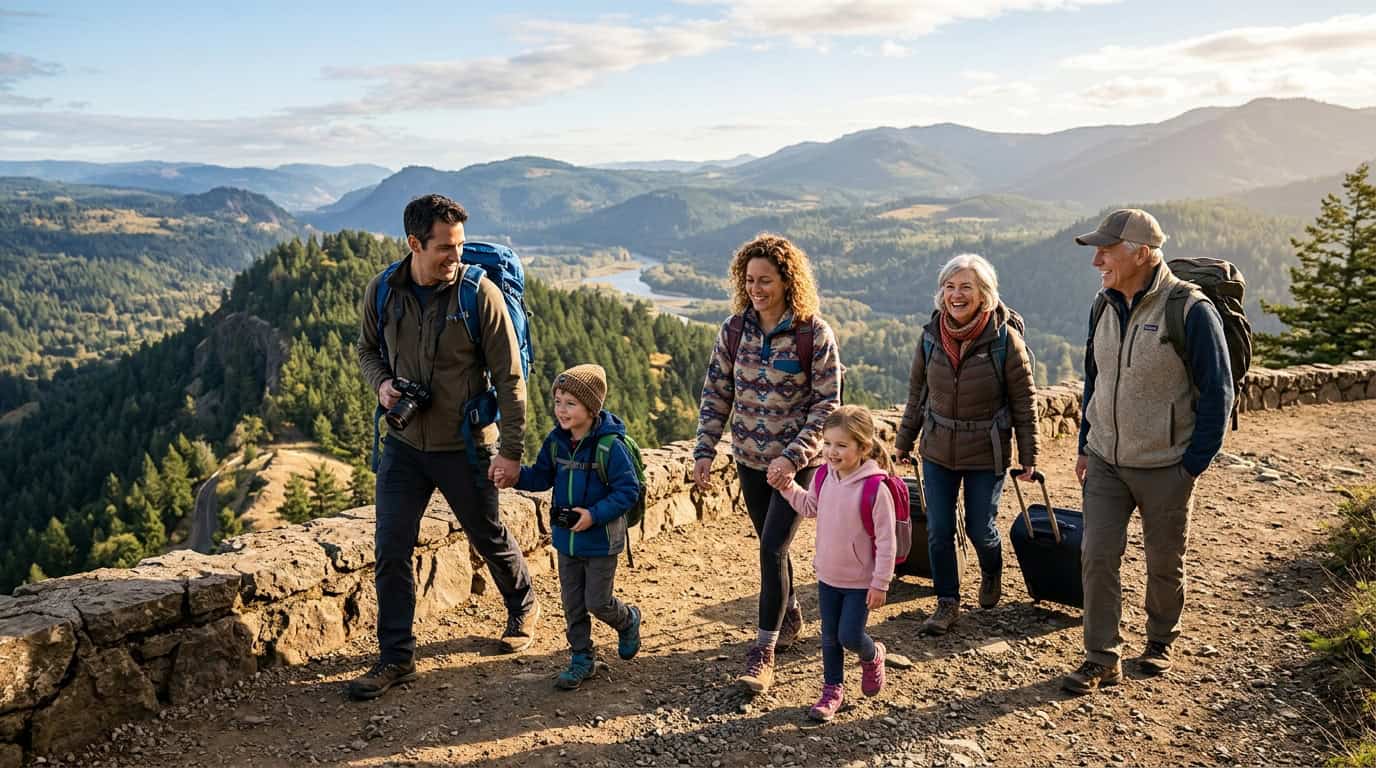
The best multigenerational travel ideas turn time together into stories everyone remembers, from grandparents watching grandchildren see the ocean for the first time to parents enjoying a quiet morning while family members lend a hand. I’ve found that the right destination balances easy activities, comfortable lodging, and enough flexibility for every age and energy level. Whether you’re planning a beach escape, a national park adventure, or a city break, thoughtful choices can make the trip feel effortless rather than overwhelming.
Start by choosing a destination with something for everyone, then build a flexible itinerary around shared highlights, downtime, and optional adventures. Look for walkable areas, accessible transportation, connecting rooms or spacious rentals, and activities that can be adapted for young children and older adults. With the right plan, three generations can travel at a comfortable pace while creating joyful memories that last long after the bags are unpacked.
Key Takeaways
- Choose destinations that offer accessible activities, comfortable lodging, convenient transportation, and something enjoyable for every generation.
- Build each day around one shared anchor activity, then allow time for naps, rest, independent interests, and optional adventures.
- Prioritize accommodations with elevators, spacious or connecting rooms, multiple bedrooms, kitchens, common areas, and nearby dining to support different mobility and energy levels.
- Discuss mobility needs, budgets, meal preferences, responsibilities, and must-see experiences before booking so expectations are clear and the trip feels fair to everyone.
Beach Resorts For Every Generation
San Diego makes an easy multigenerational beach escape because its mild weather, wide promenades, and gentle-water beaches give every age group room to enjoy the coast. I like staying near a walkable shoreline, where grandparents can relax on a shaded patio or take a slow beach walk while parents and children explore tide pools or build sandcastles. A hotel with elevators, spacious rooms, pool access, and nearby dining can make each day feel simple. Families can pair a relaxed morning at the beach with an aquarium visit, then return for a quiet afternoon instead of trying to keep everyone moving.
Hawaii, Florida’s Gulf Coast, and Mexico’s Riviera Maya offer different versions of the same flexible beach rhythm. In Hawaii, calm coves and resort pools make it easy to alternate snorkeling with shaded breaks, while Florida’s Gulf Coast is ideal for gentle swimming, sunset walks, and accessible condominium-style lodging. The Riviera Maya offers warm Caribbean water, family-friendly resorts, and easy opportunities for older children to try snorkeling while younger ones enjoy supervised activities. I recommend choosing accommodations with ground-level or elevator-accessible rooms, nearby restaurants, comfortable seating, and both lively and quiet spaces.
The best beach plans leave plenty of room for separate schedules, so nobody feels pressured to join every activity. One day might include a shared breakfast, a morning swim, an afternoon nap for grandparents and toddlers, and an early dinner before the evening gets busy. On another day, part of the group can book a snorkeling excursion while others enjoy the pool, read beside the water, or explore a nearby café. By planning only one major outing at a time and building in flexible rest periods, families can enjoy meaningful moments together without giving up their own pace.
National Parks And Scenic Road Trips
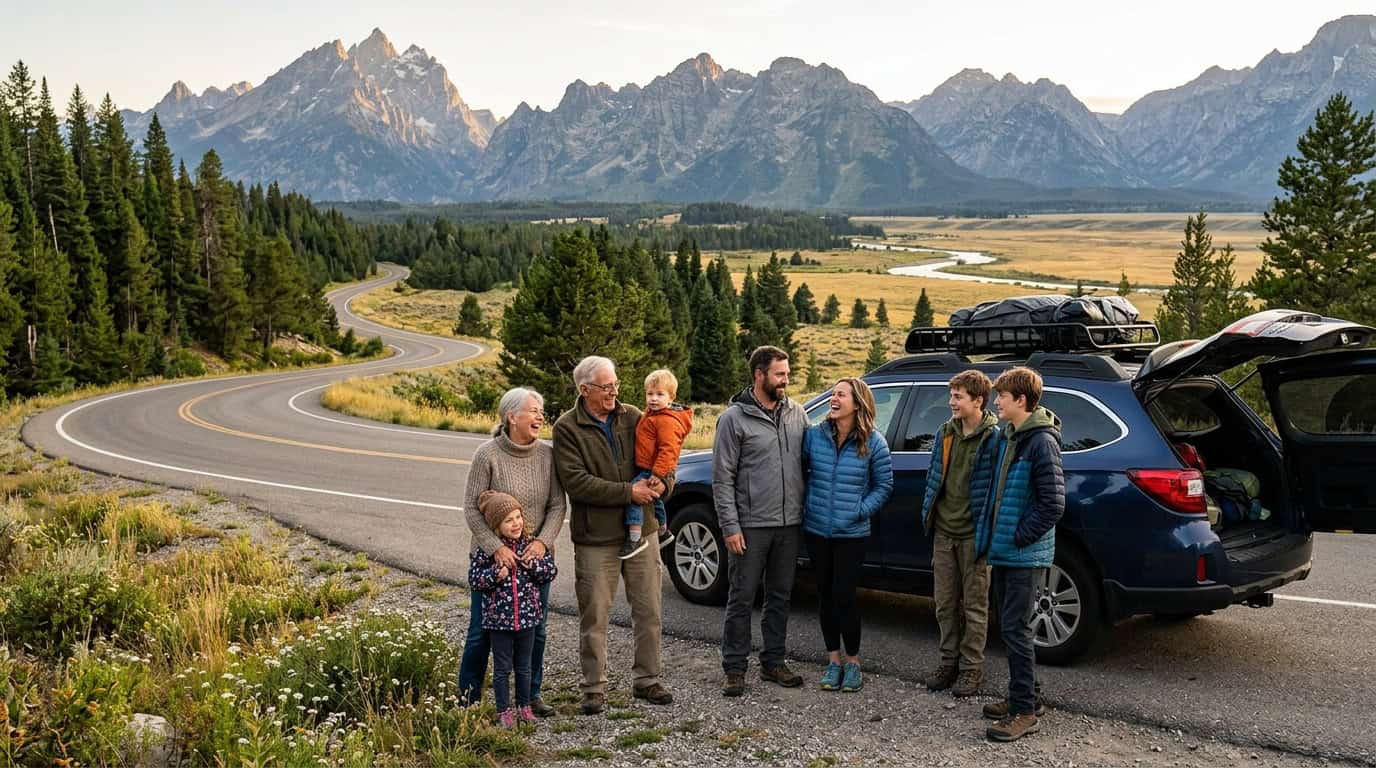
I love national parks for multigenerational travel because every family member can experience the same scenery at a comfortable pace. A Yellowstone itinerary might include two nights near Old Faithful, a short boardwalk walk through the Upper Geyser Basin, and a wildlife drive through Hayden Valley, where early risers may spot bison, elk, or bears from the safety of the car. Grandparents can enjoy scenic overlooks and a quiet afternoon at the lodge while parents and older children tackle a longer trail. I recommend planning one main outing each day, then leaving room for naps, flexible meals, and unexpected wildlife sightings. Choosing accommodations inside or just outside the park also keeps driving manageable and makes it easier for everyone to rest between adventures.
The Grand Canyon and Utah’s national parks offer equally memorable options when the itinerary balances expansive views with easy access. At the Grand Canyon, I would pair a sunrise or sunset overlook with a short, paved rim walk, then schedule a relaxed museum visit or restful afternoon at the lodge instead of attempting a strenuous descent. A Utah road trip could connect Zion, Bryce Canyon, and Capitol Reef over seven to ten days, with scenic drives, short viewpoint walks, and comfortable overnight stops in places such as Springdale and Torrey. Families can divide up for a morning hike while others enjoy a shuttle ride, scenic overlook, or leisurely breakfast. Reserving rooms with kitchens, elevators, and outdoor seating can make these active destinations much more comfortable for three generations.
California’s Pacific Coast Highway is another wonderful choice because the journey itself becomes part of the experience, with ocean overlooks, charming towns, and plenty of places to stop. I like starting in San Francisco, spending a night in Monterey for the aquarium and waterfront, then continuing through Big Sur, Cambria, and Santa Barbara at an unhurried pace. Short walks at coastal viewpoints, visits to historic sites, and picnic lunches give children and grandparents ways to participate without committing to a full-day hike. I would keep driving days to three or four hours whenever possible and add an extra night near favorite stops. That flexible rhythm gives active travelers time to explore while others enjoy a comfortable hotel, a museum, or the view from a shaded terrace.
City Breaks With Shared Experiences
I like to build a city break around one shared anchor activity each day, giving grandparents, parents, and children a memorable experience without packing the schedule too tightly. In Washington, DC, that might mean visiting an aviation museum in the morning, enjoying a picnic near the Tidal Basin, and spending the afternoon at the hotel or in a nearby garden. New York City works beautifully with a matinee or ferry ride as the centerpiece, followed by a relaxed meal and a short neighborhood walk. Reserving timed tickets, choosing central accommodations, and planning regular rest stops can make even an energetic city feel manageable for three generations.
Chicago offers an easy mix of architecture, lakefront scenery, museums, and family-friendly meals, so I might pair an architecture cruise with Millennium Park and leave the evening open for deep-dish pizza or an early dinner. In San Diego, a morning at the zoo or Balboa Park can anchor the day, while younger travelers explore more exhibits and older family members enjoy the gardens, cafés, or a slower stroll. I always look for accommodations with roomy common areas, elevators, breakfast options, and separate sleeping spaces when possible. These details create a comfortable home base where everyone can recharge before the next outing.
The best multigenerational travel ideas leave room for individual interests instead of expecting everyone to do everything together. After the shared activity, I might divide the afternoon so one group visits a historic site while another browses shops, relaxes by the water, or returns to the room for a nap. A flexible rhythm could include a morning adventure, an unhurried lunch, personal downtime, and one simple evening plan. This approach keeps children engaged, gives grandparents breathing room, and lets parents enjoy the trip rather than managing every minute. The stories that last are often the small shared moments, such as discovering a favorite dessert, watching the sunset, or hearing three generations laugh over the same unexpected adventure.
Planning Comfortable Family Itineraries

I start by choosing accommodations that give every generation both connection and breathing room. Connecting hotel rooms work well for short stays, while a vacation rental with multiple bedrooms, a kitchen, and a comfortable common area can make longer trips more relaxed. Cruises and resorts simplify meals, entertainment, and transportation, especially when grandparents prefer fewer daily logistics, but I always confirm elevator access, walking distances, bathroom features, and room locations before booking. We also discuss mobility needs openly, including wheelchair access, rest stops, luggage assistance, and whether everyone can comfortably manage stairs or long excursions. If grandparents are helping fund the trip, I suggest agreeing early on what they will cover and inviting each household to contribute in a way that feels fair, whether through money, meals, planning, or childcare.
A realistic multigenerational itinerary usually includes one main activity per day, plenty of flexibility, and at least one true rest day. On a family trip to Washington, D.C., for example, I would avoid stacking museums, monuments, and evening events together, since children and older adults often enjoy the day more when there is time to pause. I build in transportation that reduces strain, such as short rides, hotel shuttles, accessible taxis, or a rental vehicle with easy entry, and I reserve a quiet afternoon for naps, pool time, reading, or independent exploring. Shared meals create meaningful moments, but I do not expect everyone to attend every activity. Grandparents may want a slower morning while parents and children visit a playground or take a bike tour. The best multigenerational travel ideas leave room for togetherness without making anyone feel obligated to follow the same schedule every hour.
For a seven-day trip, I might plan a gentle mix of sightseeing, local flavor, and unstructured time like this:
- Day 1: Arrive, settle into a Washington, D.C. hotel or rental, share an easy dinner, and keep the evening quiet.
- Day 2: Visit the National Mall and one museum, with a midday hotel break and an optional evening dessert for those who still have energy.
- Day 3: Take a restful morning, then explore Georgetown by accessible boat or short rides and enjoy dinner near the waterfront.
- Day 4: Spend the day independently, with grandparents relaxing at the hotel or visiting a nearby garden while parents and children choose an active outing.
- Day 5: Tour the zoo or another family-friendly attraction, followed by a flexible picnic or casual meal.
- Day 6: Share a special brunch, choose one favorite activity from earlier in the week, and leave the afternoon open for naps, shopping, or pool time.
- Day 7: Have a relaxed breakfast, take a final neighborhood stroll, and allow extra time for departures and luggage.
Plan Meaningful Multigenerational Adventures
The best multigenerational travel ideas create space for shared experiences while respecting everyone’s comfort, energy, and independence. I like to build each day around one shared activity, such as exploring a historic district, enjoying a scenic boat ride, or gathering for a memorable dinner, then leave room for naps, quiet time, or separate interests. Choosing accommodations with multiple bedrooms, accessible features, and inviting common areas can make the trip much more relaxed for grandparents, parents, and children alike. A thoughtful pace, flexible plans, and nearby conveniences often matter more than checking every attraction off the list.
When choosing a destination, I encourage families to start with the interests they genuinely share, whether that means beaches, national parks, food, history, or creative activities. Discuss mobility needs, budgets, meal preferences, and must-see experiences before booking, so everyone has a voice in the plan and there are fewer surprises along the way. The most rewarding trips are not always the ones with the fullest itineraries, but the ones that leave time for a grandparent’s story, a child’s discovery, or an unplanned sunset together. Long after the suitcases are unpacked, those small, joyful moments are the stories your family will remember.