
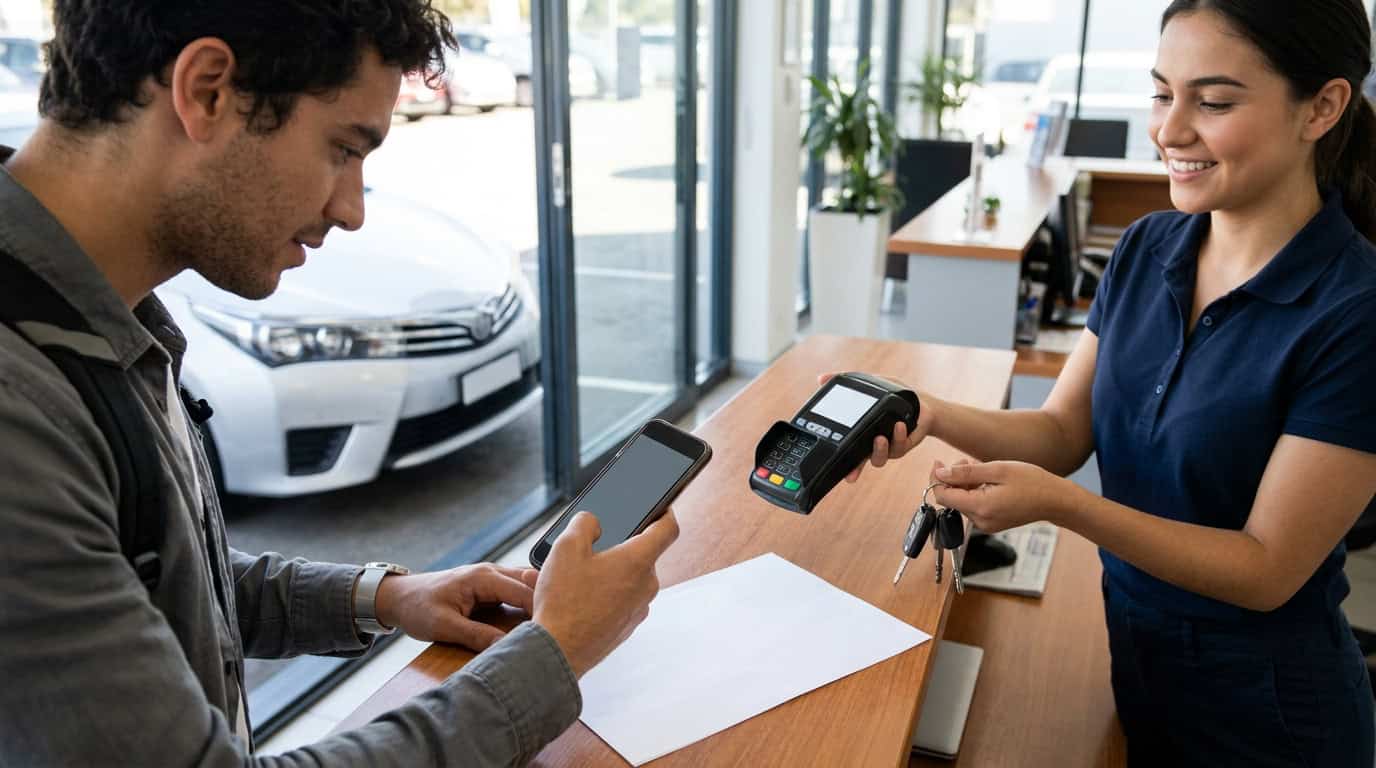
A dream road trip can hit a sudden bump at the rental counter when a “deposit” temporarily ties up hundreds of dollars on my card. I have learned that the best car rental deposit tips begin with understanding the difference between a refundable authorization hold and a true fee. I also check how much available credit or spending money I will need before pickup. Reviewing the location, vehicle, rental length, and payment method helps keep my travel budget ready for scenic detours instead of unexpected surprises.
Before setting off toward mountain overlooks, coastal highways, or a long-awaited city escape, I confirm the deposit policy in writing and ask when the hold will be released. I bring the required card and identification, leave room in my account for fuel, tolls, and potential damage charges, and photograph the vehicle at pickup and return. With a little planning, the deposit becomes a manageable detail rather than the thing that starts my adventure on the wrong road.
Key Takeaways
- Car rental deposits are usually temporary authorization holds rather than separate fees, but the amount varies by location, vehicle class, rental length, payment method, and prepaid status. Confirm the exact hold, accepted cards, identification requirements, and potential additional charges before pickup.
- Credit cards generally preserve checking-account cash, while debit-card holds directly reduce available funds and may involve stricter requirements or longer release times. Keep enough financial room for the rental, deposit, fuel, tolls, meals, and other trip expenses.
- Inspect and photograph the vehicle at pickup and return, including existing damage, wheels, glass, interior, fuel level, mileage, and dashboard warnings. Ensure all issues are recorded on the rental agreement and retain the photos, receipts, and return confirmation.
- Review insurance coverage and optional protection separately from the deposit, then ask when the authorization will be released. If the hold or an unexplained charge remains beyond the promised timeline, contact the rental location and card issuer with your documentation.
Car Rental Deposit Introduction
I treat a car rental deposit as a temporary authorization hold, not automatically as a separate fee. The hold may cover the estimated rental price plus a security amount for fuel, late returns, tolls, damage, or other unexpected charges. Because there is no universal U.S. deposit amount, I check the rental terms for my pickup location, vehicle class, rental length, and payment method before traveling. Even a prepaid reservation may require additional available funds at the counter. Planning for that hold helps me protect my vacation budget and the money I have set aside for meals, tours, and accommodations.
My payment method can make a noticeable difference in how the hold affects me. A credit-card hold reduces my available credit, while a debit-card hold can temporarily lower the balance in my checking account and may take longer to disappear. I also ask whether optional insurance, roadside assistance, fuel plans, toll programs, or additional-driver fees will increase the final cost, since these expenses may not be obvious in the advertised rate. Before signing, I confirm the exact deposit amount, accepted cards, identification requirements, and what happens if I use a debit card. A quick conversation at pickup can prevent an unpleasant surprise while I am eager to begin the drive.
Before leaving the lot, I inspect the vehicle in good light and photograph existing scratches, dents, wheels, glass, the fuel gauge, and the mileage. I ask the staff member to record every noticeable issue on the rental agreement, then keep the photos and paperwork until the hold is released. At return, I refill the tank if required, remove personal items, and request a receipt showing the vehicle’s condition and return time. The authorization may remain pending for several business days, and banks can take longer to restore available credit or checking-account funds. If the hold or a charge does not clear within the promised timeline, I contact the rental location and my card issuer with the agreement, receipt, and dated photos.
Rental Deposit Holds And Amounts
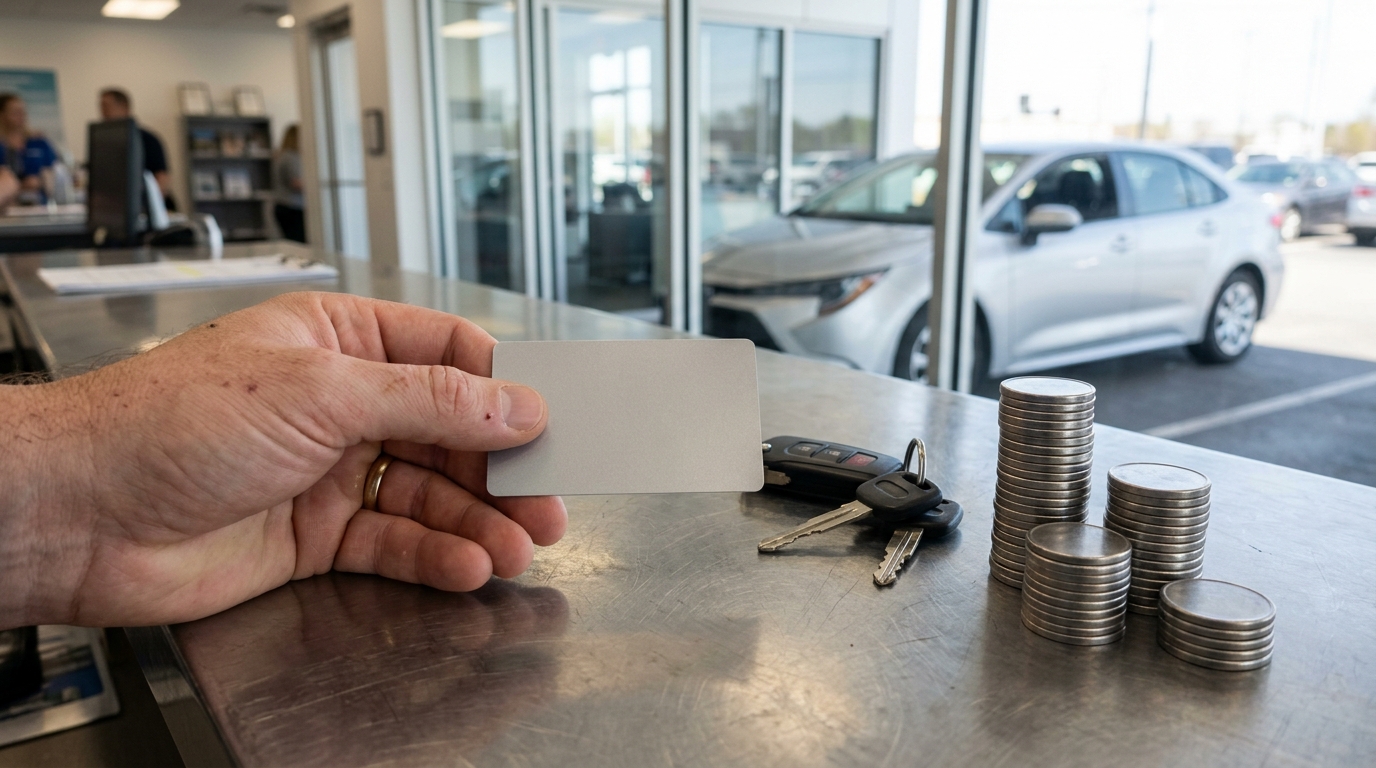
A rental deposit is usually a temporary authorization hold, not an extra fee, but it can still reduce the spending power of my card or the balance in my checking account. There is no universal amount because the hold may vary based on the rental location, vehicle class, rental length, prepaid status, and payment method. For example, a published airport policy from one major rental provider lists deposits of roughly $200 to $850 for some renters, while another published policy allows authorization holds of up to $200 on credit cards or $500 on debit cards under certain conditions. I always check the exact pickup location’s terms before booking, especially when choosing a premium vehicle or paying with a debit card.
Payment requirements deserve just as much attention as the headline rental price. A debit-card hold can tie up money needed for meals, fuel, and excursions, while a credit-card hold can reduce available credit during a longer road trip. I also look for separate rules covering proof of a return itinerary, prepaid reservations, additional drivers, insurance options, fuel, tolls, late returns, and damage. Optional coverage may increase the final cost, even when it does not eliminate every authorization hold. Before leaving the counter, I ask the agent to confirm the estimated total, security amount, accepted payment method, and charges that could be added later.
I make the pickup inspection part of my travel routine by walking around the vehicle, photographing existing scratches, checking the fuel level and mileage, and asking that every issue be recorded on the rental agreement. After returning the car, I keep the receipt and return confirmation until the hold disappears, because banks may release funds on different schedules. Many holds are removed soon after an approved return, but weekends, holidays, debit-card processing, and unresolved toll or damage charges can extend the wait. If the amount or timing looks wrong, I contact the rental location and my card issuer promptly, using the inspection photos and paperwork to support my question.
Credit Cards Versus Debit Cards
I generally prefer using a credit card for a rental-car deposit because the deposit is usually a temporary authorization hold, not a separate fee. The hold may cover the estimated rental cost plus a security amount for fuel, tolls, late returns, damage, or other unexpected charges, reducing my available credit until it is released. Optional insurance or protection products can add to the final cost, so I always ask for a complete estimate before accepting them. A credit card also keeps my checking-account balance available for hotels, meals, scenic detours, and the memorable activities that make a trip feel special.
Debit-card rentals can involve stricter requirements, and the details vary by location, vehicle class, rental length, and payment method. I may need enough money in the account for the full rental amount and security hold, along with proof of a ticketed return trip, acceptable identification, and sometimes additional documents. Even a prepaid reservation may require a debit or credit card at pickup for the deposit, so I never assume prepayment eliminates the hold. Before traveling, I confirm the exact policy with the pickup location and make sure the name and address on my identification and payment card match the reservation.
To avoid surprises, I inspect the vehicle with an employee before leaving and photograph existing scratches, wheels, glass, the fuel gauge, and the mileage. At return, I ask for a receipt showing that the car was checked in and the fuel level was recorded, then I monitor my account until the authorization disappears. Release times vary by rental location and bank, and a debit-card hold can temporarily tie up money needed for the rest of the journey. Planning a cushion for that delay lets me enjoy the open road without watching every meal or activity compete with a locked-up balance.
Insurance And Rental Charges
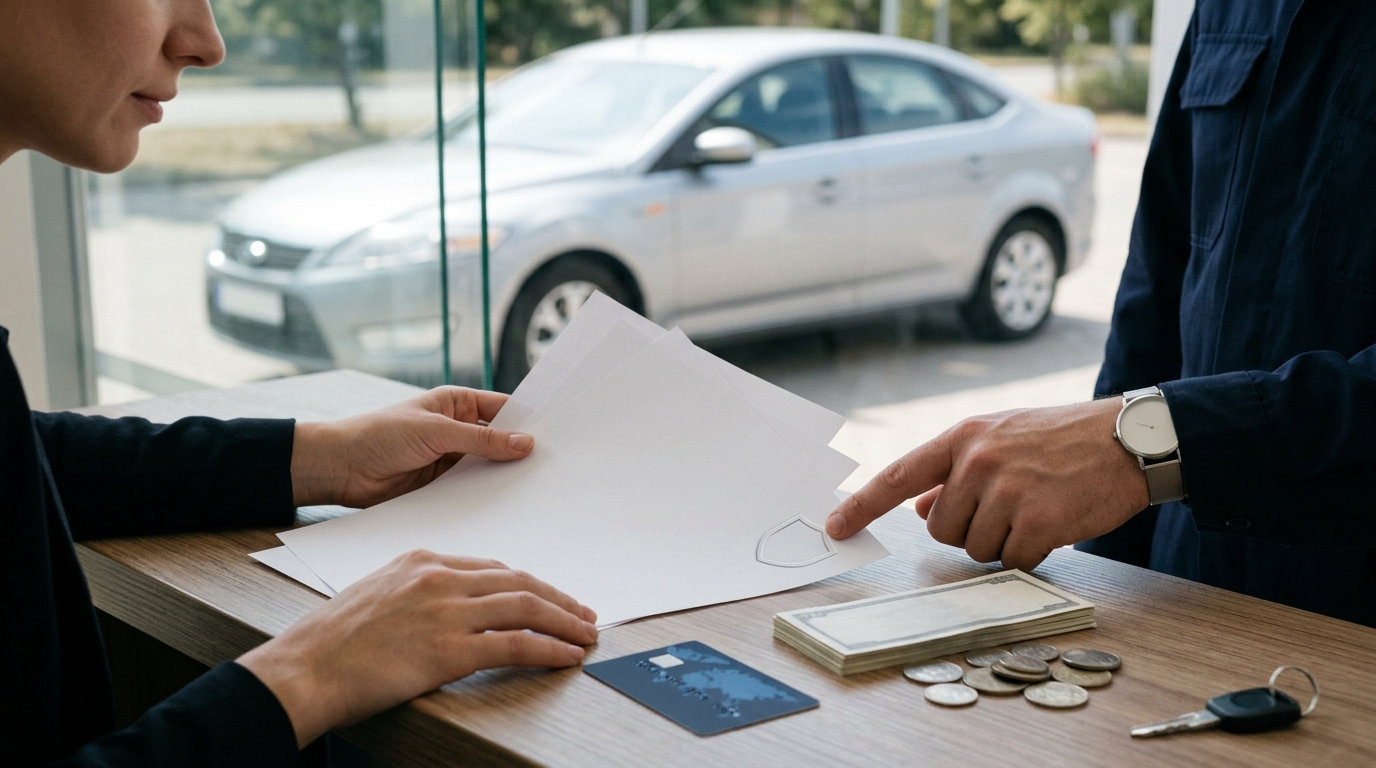
A rental-car deposit is usually a temporary authorization hold rather than a separate fee, and I always check the exact amount before picking up the keys. The hold can include my estimated rental total plus a security amount for fuel, tolls, late returns, damage, or extra cleaning, with no universal figure across U.S. locations. I pay close attention to whether the reservation is prepaid, which card I use, the vehicle class, and the rental length, since each factor can affect the hold. A debit-card hold may reduce the cash available in my checking account, while a credit-card hold mainly reduces my available credit. Asking when the hold will be released helps me budget for the rest of my trip, from scenic drives to a final seaside dinner.
I also keep insurance separate from ordinary rental charges because a damage waiver is not the same as coverage for fuel, tolls, or late returns. Before declining protection, I compare the rental provider’s damage waiver with my personal auto policy, travel insurance, and credit-card coverage. I check exclusions, deductibles, liability limits, and whether the policy covers loss-of-use charges. I confirm coverage in writing rather than relying on a quick explanation at the counter, especially when traveling across state lines or renting a specialty vehicle. Some policies require me to pay first and seek reimbursement later, so I make sure I have enough funds available for that possibility. This small review gives me confidence to choose protection that fits my trip instead of paying for overlapping coverage.
A careful pickup and return routine can prevent an unexpected hold from turning into a vacation headache. I photograph every side of the car, the wheels, windshield, interior, fuel level, mileage, and dashboard warnings, then ask an employee to note existing marks on the rental agreement. Before returning it, I refill the tank as required, save fuel and toll receipts, remove trash, and take another set of timestamped photos. I request a final receipt and ask how long any remaining authorization should take to disappear, remembering that banks can process releases on different timelines. With these steps in place, I can leave the car behind and keep my attention on the open road ahead.
Inspection And Deposit Refunds
At pickup, I walk around the rental car before leaving the lot, even when a line is waiting behind me. I photograph every scratch, dent, cracked windshield spot, wheel mark, and interior stain, making sure the images show enough detail to identify the vehicle and include a timestamp when possible. I also compare the fuel gauge and odometer with the rental agreement, then save the photos until the authorization hold has disappeared from my account. If I notice damage that is not listed, I ask an employee to add it to the inspection report and keep a copy or clear photo of the updated document. This small routine gives me confidence to enjoy the open road without wondering whether an old scrape will become an unexpected charge.
Before returning the car, I refill the tank according to the agreement and save the gas receipt, especially when the return location is far from the nearest station. I record the final mileage, photograph the fuel gauge and overall condition, and remove personal items from every pocket and compartment. Whenever possible, I complete the return with an employee and ask them to confirm that the vehicle was checked in without new damage or missing equipment. If the lot is closed, I take wide and close-up photos, note the exact return time, and keep the key-drop instructions as evidence that I followed the process. I store the rental agreement, inspection forms, fuel receipt, and return photos together until the final statement is settled.
A deposit is commonly a temporary authorization hold rather than a separate fee, so the available balance on a credit or debit card may remain lower for several business days after return. Release timing depends on the rental location, payment method, bank, and whether the provider is still checking for fuel, tolls, late-return fees, or damage. A debit-card hold can feel especially disruptive because it affects spending money directly. I check my account after returning the car, but I do not panic if the hold remains briefly, as long as the final charge matches my agreement. If the hold or an unexplained charge lasts longer than the stated timeline, I contact the rental location with my contract number and documentation, request a written explanation, and then ask my card issuer to review the transaction if needed. That paper trail turns a frustrating surprise into a clear, manageable follow-up while I get back to planning the next scenic stop.
Car Rental Deposit Takeaways
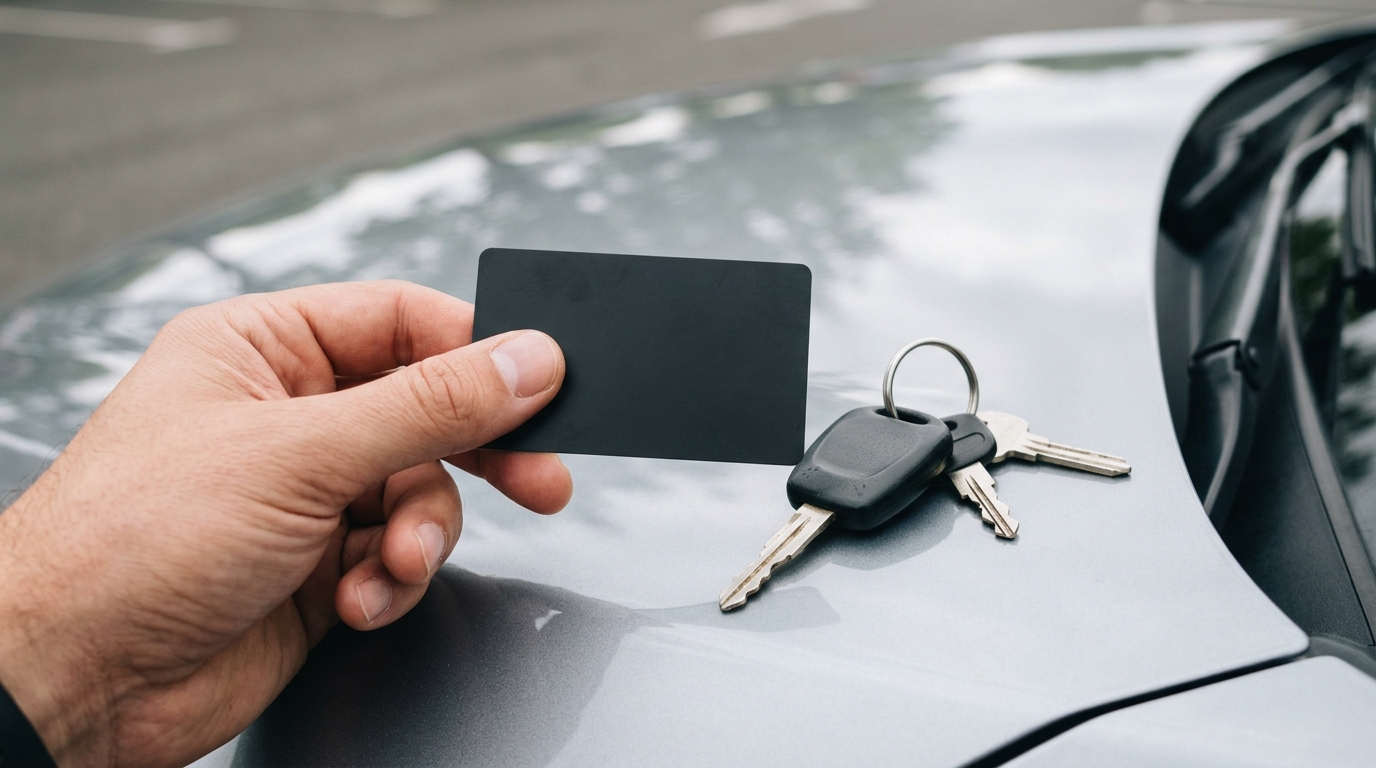
I always confirm the exact deposit hold with the rental location before pickup because the amount can change based on the vehicle, rental length, payment method, and whether the reservation is prepaid. A deposit is often a temporary authorization rather than a separate fee, but it can still reduce my available credit or checking balance while the car is in my care. I ask whether the hold covers only security or also estimated rental charges, fuel, tolls, late returns, and potential damage. I also check how insurance costs may affect the final total. Finally, I verify whether the location accepts my card type and whether a credit card is preferred, since debit-card rules and fund-release timelines can be stricter.
Before leaving the lot, I keep extra funds available and photograph the car from every side, including the fuel gauge, mileage, wheels, glass, and existing scratches. Those quick records give me peace of mind if the vehicle is inspected later or a damage charge appears unexpectedly. At return, I refuel as required, remove personal items, ask for a completed inspection, and request a final receipt showing the rental total and any remaining charges. I then monitor my account until the authorization disappears, remembering that the release may take several business days and can depend on my bank as well as the rental location.
I Plan Ahead for Rental Deposits
I treat a car rental deposit as a temporary authorization hold, not automatically as an extra fee. Before picking up the keys, I confirm the exact hold amount, accepted payment methods, required identification, and whether the rental provider needs a credit card in the primary driver’s name. Policies can vary by location, vehicle class, rental length, and payment type, while prepaid reservations may still require a security hold. I also leave enough room in my available credit or checking balance for the estimated rental cost plus possible charges for fuel, tolls, late returns, or damage.
Insurance is another cost I clarify before arriving at the counter, since optional coverage can increase the final price and may be separate from the deposit. I ask what my existing auto policy or credit card covers, then check the exclusions so I am not surprised by gaps in protection. Before driving away, I walk around the vehicle, photograph every side, and record scratches, dents, fuel level, mileage, and warning lights. That quick inspection gives me peace of mind and creates a clear record if questions arise later.
Once I return the car on time, with the agreed fuel level and clean condition, I keep my receipt and final rental agreement until the hold disappears. The release may happen quickly, but the time required for the funds to become available depends on the rental provider, bank, card type, and any pending toll or damage review. If the hold remains longer than the stated timeline, I contact the rental location first and then my card issuer with the paperwork in hand. Planning for that temporary reduction in funds helps me focus on the open road, scenic detours, and memorable moments that make a trip worthwhile.