

Family travel planning can turn a simple getaway into a joyful adventure or a tangle of missed connections, rising costs, and tired children. I start by choosing the experience we want most, whether that means building sandcastles on a U.S. beach, exploring a national park, or sharing a meal in a faraway city. With 92% of parents eager to travel with their children, popular destinations fill quickly, so deciding on dates, lodging, and transportation early can make planning much easier.
The best family trips leave room for memorable highlights and unexpected discoveries. Before booking, I compare school calendars, flight times, room layouts, meal options, and activity levels. I also add breathing space so no one has to rush from one stop to the next. For international journeys, I confirm passports, entry requirements, travel insurance, and medication needs well in advance. These small preparations help everyone focus on the excitement of discovering somewhere new together.
Key Takeaways
- Match the destination, accommodations, and transportation to your family’s ages, energy levels, accessibility needs, and interests. Prioritize convenient neighborhoods, healthcare access, stroller-friendly routes, and spaces where everyone can rest.
- Build flexible itineraries around one major activity at a time, with regular meal breaks, downtime, and backup plans for weather or changing energy. Leave room for unexpected discoveries instead of trying to visit every landmark.
- Create a complete budget that includes transportation, lodging, meals, tickets, insurance, parking, and emergencies. Save through shoulder-season travel, kitchen-equipped accommodations, free attractions, and advance reservations while preserving room for one meaningful splurge.
- Handle passports, entry rules, medications, insurance, car seats, emergency contacts, and copies of important documents well before departure. Divide travel responsibilities among adults and involve older children in age-appropriate planning and packing tasks.
Match Destinations To Family Needs
I start family travel planning by matching the destination to everyone’s energy level, not just the wish list. Washington, D.C., is a practical U.S. choice because it offers museums, monuments, parks, and extensive public transportation without requiring a car. I still group nearby sights to limit walking. I check seasonal weather, elevator access, stroller-friendly routes, nearby pharmacies and hospitals, and accommodations with quiet rooms, kitchenettes, or elevators for grandparents and young children. A practical D.C. day might include the National Air and Space Museum in the morning, lunch and a playground break, then a short monument visit before returning to the hotel for rest. That rhythm leaves room for memorable discoveries without turning every hour into a rushed transition.
International destinations can be just as rewarding when I consider flight length, time-zone changes, local healthcare, and the ease of getting around with luggage or a stroller. London, for example, offers historic landmarks, child-friendly museums, and abundant lodging, but I would schedule a lighter first day and confirm step-free transportation routes before booking. I also look for neighborhoods with a grocery store, casual restaurants, green space, and medical facilities nearby. Convenience matters more when a child is tired or a grandparent needs a break. Before an international trip, I save emergency numbers, review travel insurance details, and learn how prescriptions can be carried across borders. These preparations make the destination feel more welcoming and give the whole family confidence.
The best itinerary balances shared highlights with planned pockets of calm. I usually choose one major attraction each morning, reserve afternoons for naps, pool time, or a quiet café, and keep at least one flexible day for weather or changing energy levels. On one family trip, we traded a second sightseeing stop for an hour in a shady park. Everyone returned refreshed and more excited for dinner and an evening stroll. I also invite each traveler to choose one experience, whether that means a hands-on museum, a scenic garden, or a favorite local meal. By building around comfort, access, and individual interests, I create trips that feel spacious enough for grandparents and little ones while still giving everyone stories to share.
Build A Flexible Family Itinerary

I build a three-day Washington, D.C., itinerary around one major activity in the morning and one in the afternoon, leaving the middle of the day flexible for real family life. On day one, we explore the National Mall and see the Lincoln Memorial and Reflecting Pool in the morning, then visit the National Museum of Natural History after lunch. I like staying near a Metro station because it makes returning for a nap or giving tired legs a break much easier. After resting, we might have dinner in Penn Quarter or Chinatown at a casual spot where children can eat comfortably. If everyone still has energy, a short evening stroll past the monuments feels magical, but it is never required.
Day two begins with the National Zoo, when the animals are often active and the children are fresh. We take our time with the elephants, big cats, and giant pandas, then pause at a playground or return to the hotel for downtime before visiting the National Museum of American History in the afternoon. A neighborhood meal in Cleveland Park keeps the evening simple because it is close to the zoo and offers plenty of relaxed dining options. I plan timed museum entry and check transportation before leaving, but I avoid stacking too many reservations into one day. That cushion has helped us when a toddler needed an unexpected nap or someone became fascinated by a street musician.
For day three, I would reserve the morning for the National Museum of African American History and Culture, allowing several hours because its exhibits reward a thoughtful pace. In the afternoon, we can wander through the National Gallery of Art and its sculpture garden, or choose an indoor activity if rain or extreme heat changes our plans. I keep a short list of backup stops, including the National Building Museum, a nearby playground, and a favorite neighborhood café, so a change in weather feels like an adventure rather than a setback. With snacks, refillable water bottles, and comfortable shoes packed each day, older children can explore more independently while younger ones recharge. The best family itinerary is not the one that fits in every landmark. It is the one that leaves us curious, rested, and ready to discover something unexpected.
Budget Family Travel Costs
I begin our family travel budget with the full picture, including transportation, lodging, meals, attraction tickets, travel insurance, parking, and an emergency fund. Higher fuel, airfare, and hotel prices can quickly change the total, so I compare the cost of driving, flying, and staying just outside the busiest destination areas. On a recent trip, a kitchen-equipped rental saved us from buying every meal at crowded restaurants, while a simple grocery stop gave everyone familiar breakfast options before a busy day. I also look for free museums, public parks, scenic overlooks, and community events that balance the cost of paid attractions.
Timing and preparation make a noticeable difference when I am planning for different ages, energy levels, and interests. Traveling during shoulder seasons or less popular school breaks can mean lower rates, lighter crowds, and a calmer pace for grandparents and younger children. Advance reservations also help me secure family seating, larger rooms, and popular attraction times before they sell out. I build rest periods into each day rather than paying for an ambitious schedule that leaves everyone exhausted, and I check cancellation policies carefully, especially for international trips where transportation changes can be more complicated. Travel insurance and a separate emergency fund add protection for medical needs, missed connections, unexpected weather, or a last-minute room change.
To keep spending fair and flexible, I create one shared family budget for essentials and give older children a small personal allowance for souvenirs, snacks, or an activity they choose. This approach lets them practice making decisions without turning every purchase into a negotiation, while younger children can enjoy planned treats along the way. I track expenses as we go, including parking and small convenience purchases that are easy to overlook, and I leave room for one memorable splurge, such as a sunset cruise or a special local meal. The result is a trip that feels generous and exciting without sacrificing the breathing room our family needs.
Prepare Family Travel Logistics
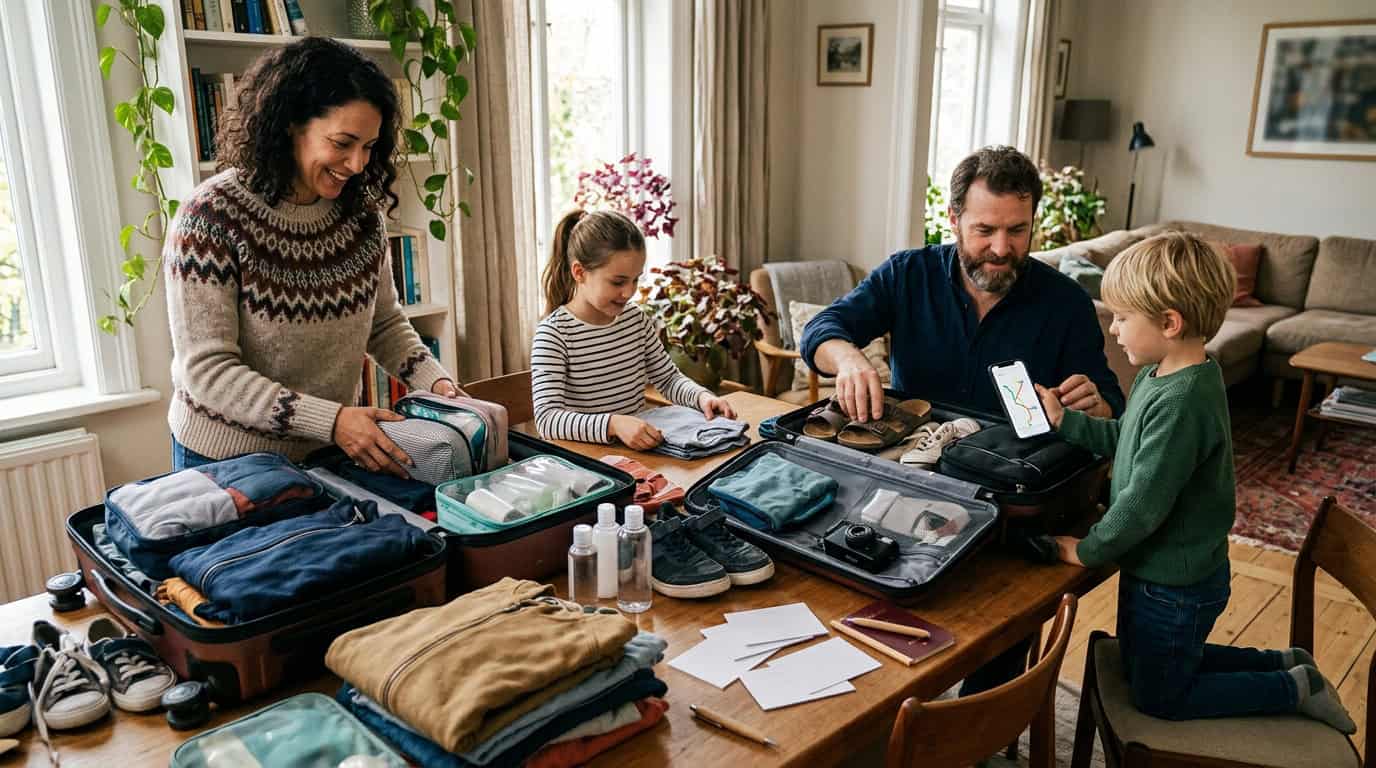
I start family travel planning with a shared logistics checklist because small oversights can create big delays. I check every passport’s expiration date, confirm entry rules, and prepare a consent letter when a child is traveling with only one parent or another adult. For medications, I pack enough for the full trip plus a little extra, keep prescriptions in their original containers, and verify international health requirements and recommended vaccines through official sources. I also reserve the right car seats, create a simple packing list for each traveler, and build in extra airport time for baggage, security, snacks, and bathroom breaks. Before departure, I share our itinerary and emergency contacts with a trusted person at home and enable relevant travel notifications.
A comfortable family itinerary leaves room for different ages, energy levels, and interests instead of filling every hour with activities. I look for accommodations with elevators, convenient bathrooms, kitchen access, connecting rooms, or a quiet space where grandparents and young children can recharge. For multigenerational groups, I might plan one shared morning excursion, such as a scenic harbor walk, followed by flexible afternoon choices, such as a museum for older children and a shaded playground or hotel pool for younger travelers. I give children age-appropriate jobs, from checking their day bag to choosing one restaurant or activity, so they feel involved without carrying adult responsibilities. Short travel days, regular meal breaks, and a backup plan can turn an ambitious schedule into a more joyful one.
On one family trip, I realized I had become the group’s full-time trip manager when everyone asked me where the tickets, snacks, chargers, and departure times were. Now I divide responsibilities before we leave. One adult manages documents and travel notifications, another handles medications and car seats, and older children track their own small packing lists. We keep digital copies of important records in a shared folder while carrying paper backups separately, and we review the next day’s plan over dinner. Sharing the work gives every adult time to enjoy the destination, whether that means lingering over a sunset meal or watching the children discover a new place.
Plan Days Everyone Can Enjoy
Successful family travel planning starts with a schedule that respects everyone’s energy, attention span, and interests. I have found that one major activity each day, balanced with downtime, leaves room for a leisurely breakfast, an unexpected playground stop, or a quiet afternoon at the hotel or vacation rental. When traveling with multiple generations, I also look for accommodations with comfortable common areas, easy access to meals, and sleeping arrangements that give everyone enough privacy. Flexible transportation plans and reservations only for the experiences that truly matter can make busy destinations feel far less stressful.
The best family trips are rarely the ones where we complete every item on the itinerary. They are the moments we still talk about later, such as watching the sky turn pink over a beach, sharing a new meal around a crowded table, or laughing through an unplanned detour. I encourage you to choose activities that let each traveler participate at their own level, whether that means a challenging hike for some and a scenic viewpoint for others. Leave space for curiosity, rest, and changing plans because those unscripted moments often become the heart of the journey. With realistic pacing and flexible expectations, family travel planning becomes less about checking boxes and more about creating memories everyone can carry home.