
Stepping into a Kyoto temple feels like walking through a portal to a more serene century, where the scent of cedar incense and the soft crunch of gravel underfoot instantly calm the soul. However, as the city manages its popularity in 2026, mastering kyoto temple etiquette is no longer just about showing respect, it is essential for a seamless journey. With strict new regulations now in place to protect these sacred spaces, understanding the shift from suggested manners to enforceable rules will ensure your visit remains a peaceful spiritual experience rather than a series of accidental faux pas.
From the vibrant vermillion gates of Fushimi Inari to the mossy silence of hidden mountain retreats, your presence contributes to the preservation of Japan’s living history. You’ll find that being mindful of new photography bans and the updated tiered lodging tax allows you to focus on the breathtaking beauty of the gardens rather than worrying about local fines. By packing a spirit of reverence alongside your practical travel plans, you can move through the city with confidence and grace.
Key Takeaways
- Strict photography bans are now enforced in Gion’s private alleys and temple interiors, with immediate fines of 10,000 yen for violations.
- Visitors must navigate updated 2026 financial and logistical requirements, including a tiered lodging tax of up to 10,000 yen and mandatory advance reservations for high-traffic sites like Arashiyama.
- Proper temple etiquette requires symbolic purification at the chozuya, removing shoes before entering halls, and maintaining a respectful silence to honor active religious practices.
- Goshuin stamps must be collected in a specialized goshuincho book and handled with both hands to show respect for these sacred records.
Navigating New 2026 Photography Restrictions And Fines
As you wander through the historic streets of Gion or the serene halls of a centuries old temple, you will notice more prominent signage regarding photography than in years past. To preserve the sanctity of these spiritual sites and the privacy of local residents, Kyoto has implemented strict no photo zones that carry immediate fines of 10,000 yen. I found that putting my camera away in these restricted private alleys and temple interiors actually deepened my connection to the surroundings. Instead of viewing the world through a lens, I was able to appreciate the subtle scent of incense and the intricate woodwork that often goes unnoticed. By respecting these boundaries, you are not just avoiding a penalty, you are actively participating in the preservation of Kyoto’s delicate cultural heritage.
The updated 2026 regulations are particularly focused on high traffic areas where intrusive behavior has previously disrupted the peace. Many popular temples have now extended their photography bans to include garden spaces during peak seasons to ensure everyone can enjoy the view without a wall of tripods in the way. It is helpful to look for the red circle and slash symbols or the specific fine warnings posted at the entrance of private lanes. If you are staying in a luxury ryokan, remember that the new tiered lodging tax of up to 10,000 yen per night is also in effect to help fund these vital conservation efforts. Embracing these rules allows us to be more mindful travelers who leave a positive impact on the places we love.
Staying present in the moment is the ultimate reward for following these new guidelines during your journey. When I visited the quiet corners of the Gion district recently, the absence of shutters clicking allowed me to hear the rhythmic sound of wooden sandals on stone. This shift in perspective turns a simple sightseeing trip into a profound spiritual experience where you are a guest rather than just an observer. Always remember to check for signs before reaching for your phone, especially near temple altars or residential gates. By staying informed and respectful, you can manage these changes with confidence and focus on the timeless beauty that makes Kyoto so special.
Purifying At The Chozuya And Entering Hallowed Halls
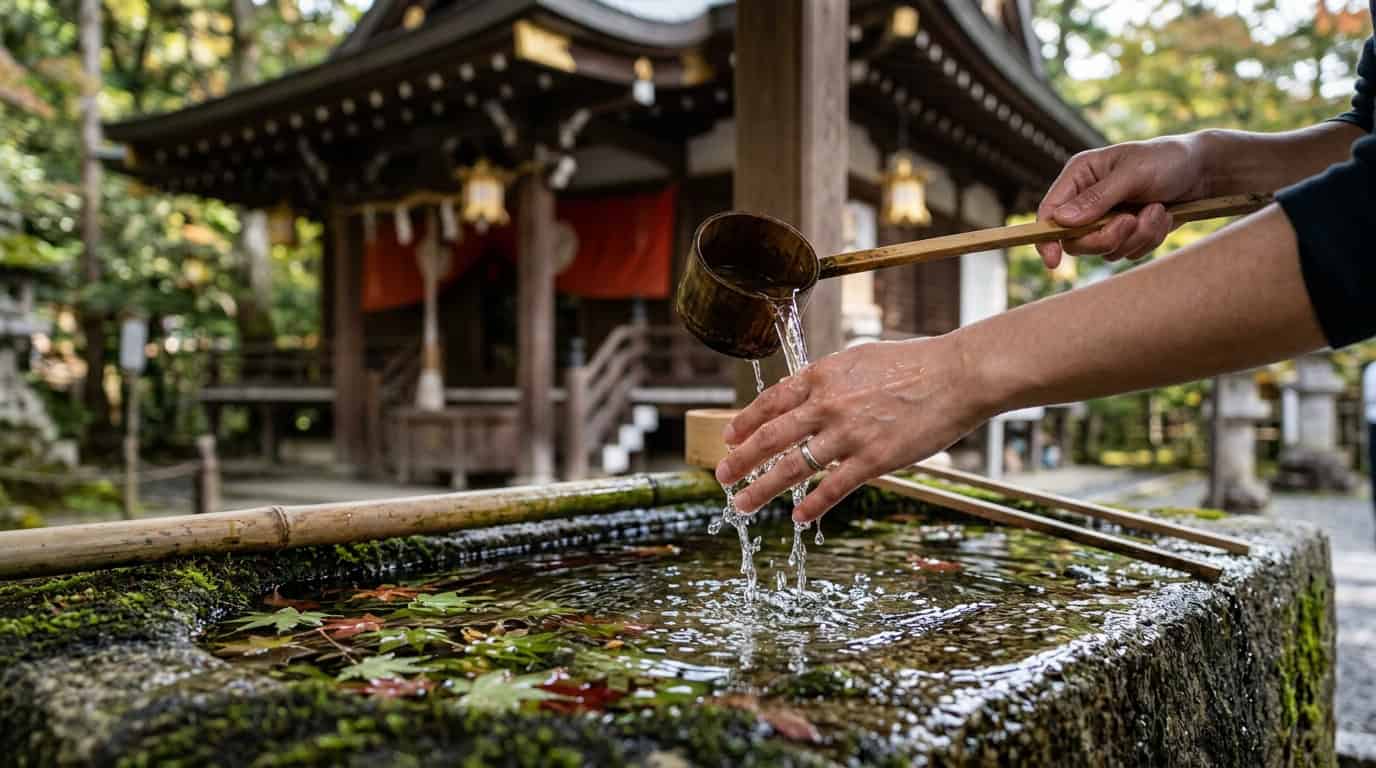
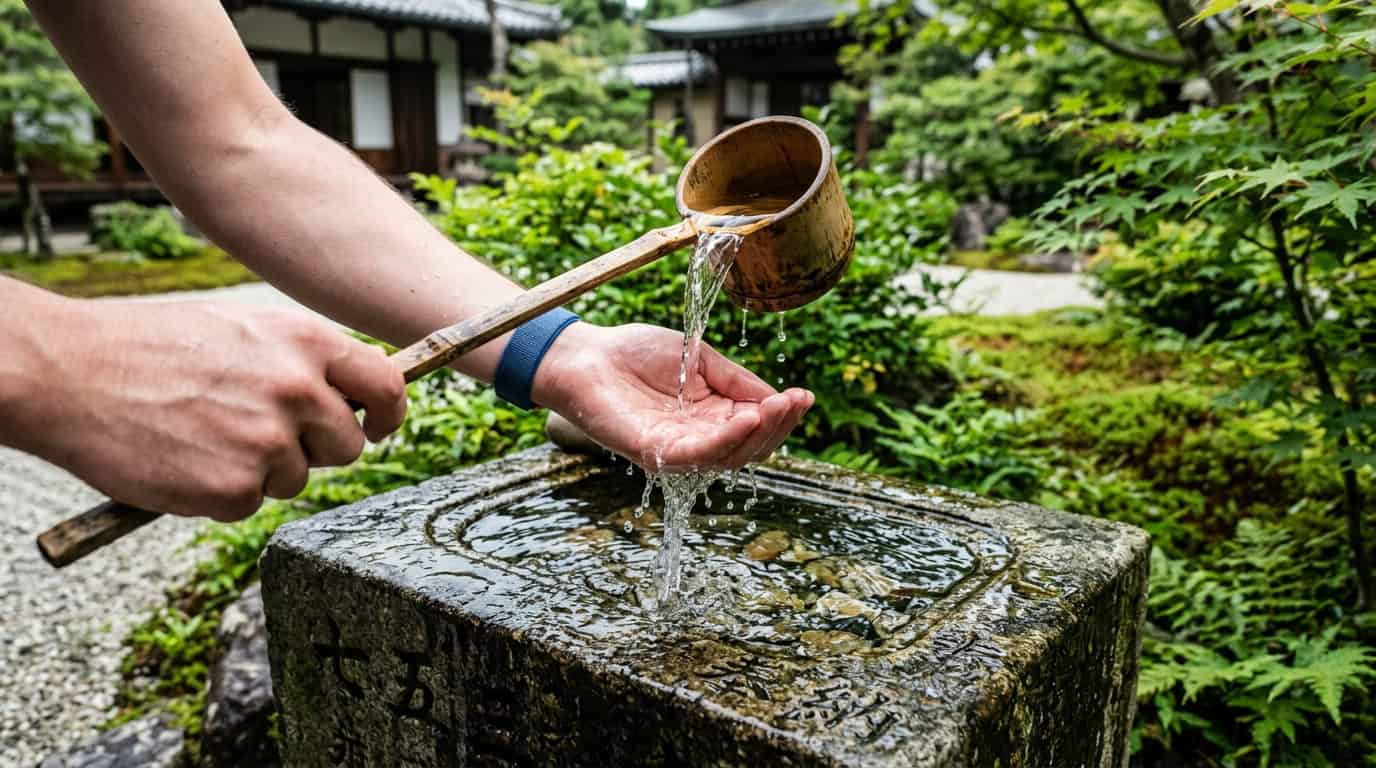
Before you approach the main prayer hall, your first stop should be the chozuya, the stone water pavilion where you will perform a symbolic purification. I always find this ritual to be a beautiful moment of transition, helping me leave the bustle of the city behind to enter a more spiritual headspace. Start by picking up the wooden ladle with your right hand and pouring water over your left hand, then switch hands to wash your right. Next, pour a little water into your cupped left hand to rinse your mouth, being careful never to touch the ladle directly to your lips. Finally, tilt the ladle vertically so the remaining water flows down the handle to clean it for the next visitor before placing it back on the rack.
Once you reach the temple entrance, you will often find wooden cubbies or plastic bags provided for your footwear. Removing your shoes is a non-negotiable sign of respect in Japan, as it keeps the sacred tatami mats and polished wood floors free from the grime of the outside world. I recommend wearing a pair of clean, hole-free socks, as you will be walking through the hallowed halls in your stocking feet. Stepping onto the cool, fragrant straw mats is one of my favorite sensory experiences in Kyoto, but remember to never step on the raised wooden thresholds or the borders of the mats. These areas are often delicate or have deep symbolic meaning, so a careful step ensures you are honoring the craftsmanship and the culture.
As you explore the interior, please be mindful of the proper temple etiquette regarding photography and noise. In 2026, many of Kyoto’s most famous temples have implemented total bans on indoor photography to preserve the quiet, meditative atmosphere and protect ancient artwork from flash damage. I have noticed that keeping your voice to a whisper and putting your phone away allows you to truly connect with the spiritual energy of the space. Be sure to check for signs indicating restricted zones, as local authorities now enforce fines for those who ignore these sacred boundaries. Taking a moment to simply sit and observe the architecture without the distraction of a screen is a rewarding way to support the city’s preservation efforts.
Respecting Sacred Silence Amidst 2026 Visitor Caps
Navigating Kyoto in 2026 feels like a breath of fresh air thanks to the new daily entry limits at iconic sites like Arashiyama and the Bamboo Grove. These caps were designed to reclaim the spiritual essence of the city, ensuring that your visit is defined by tranquility rather than crowds. I recently found that booking my entry slot online a few weeks in advance allowed me to walk through the temple gates without the frantic energy of years past. This system protects the physical integrity of the structures while giving you the space to actually breathe and reflect. Remember that these mandatory advance reservations are now strictly enforced, so having your digital reservation ready is the first step toward a respectful journey.
Once you step onto the sacred temple grounds, the most powerful gift you can offer the local community is your silence. Keeping your voice at a whisper is more than just a rule, as it is a bridge of respect to the local worshippers who come here for genuine prayer. I often see travelers forget that these are active religious sites, not just beautiful backdrops for a photo. By quieting our conversations, we allow the sound of the wind through the pines and the rhythmic strike of the temple bell to take center stage. This intentional stillness transforms you from a mere spectator into a mindful participant in Kyoto’s living history.
Beyond the quiet, be aware of the updated regulations regarding photography and local taxes that support these historic treasures. Many interiors now strictly prohibit cameras to prevent the disruption of sacred rituals, and violating these rules can lead to significant fines. You will also notice the tiered lodging tax on your hotel bill, which directly funds the preservation of the very gardens and pagodas you came to admire. Embracing these contributions and boundaries shows the city that you value its heritage as much as its beauty. When you move through these spaces with grace and adherence to the new laws, you ensure that Kyoto remains a sanctuary for generations to come.
Making Offerings And Handling Commemorative Goshuin Stamps
Approaching the main altar of a Kyoto temple is a moment of profound stillness, but it helps to know the rhythm of the ritual before you reach the offering box. I always start by gently tossing a five-yen coin into the wooden grate, as the Japanese word for five yen, go-en, is a homophone for good luck or a meaningful connection. Once your offering is made, bow twice deeply, clap your hands twice to alert the spirits to your presence, and hold a moment of silent prayer with your palms pressed together. Finish the process with one final bow to show your gratitude before stepping aside. Remember that in 2026, many temples have strictly prohibited photography within these sacred halls, so keep your camera tucked away and focus entirely on the spiritual atmosphere.
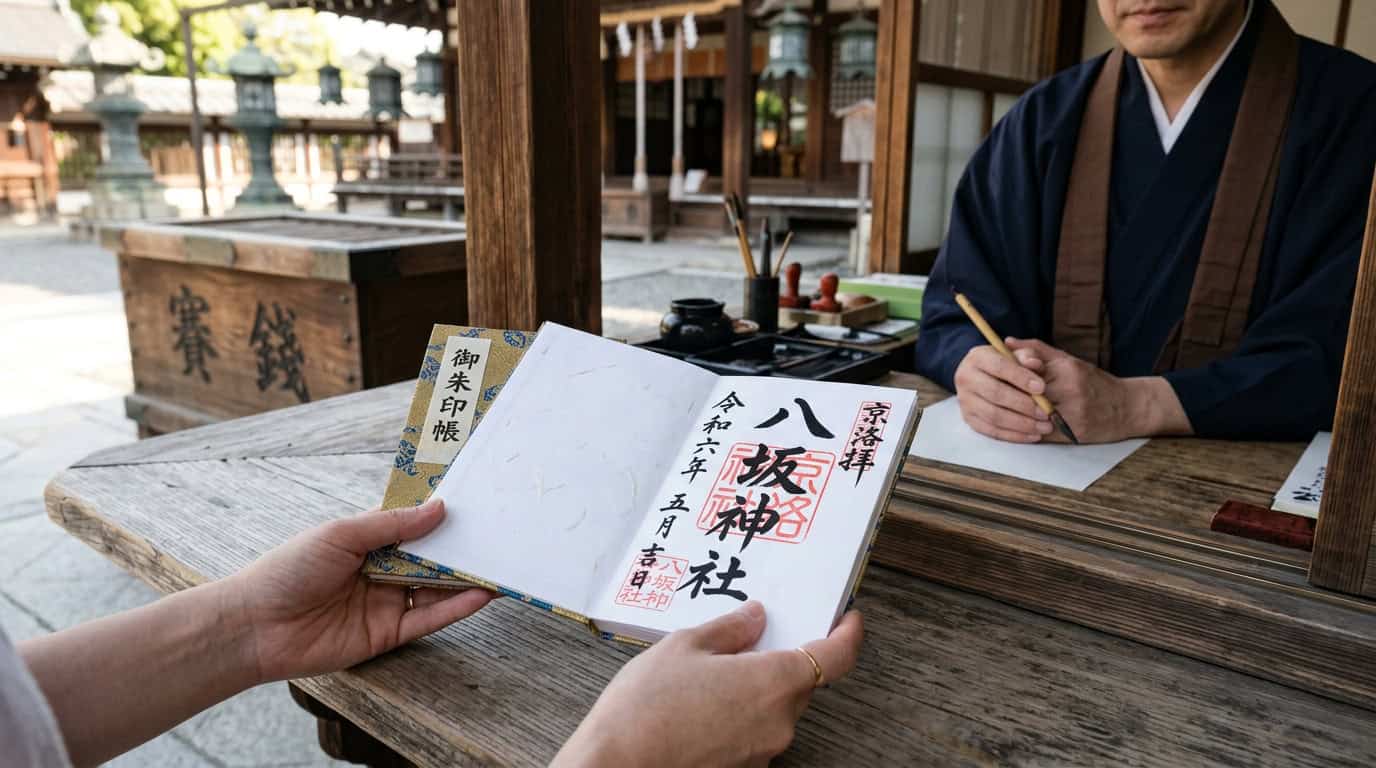
After you have finished your prayer, look for the dedicated window marked for goshuin, which are beautiful hand-drawn calligraphy stamps. These are not mere souvenirs but sacred records of your visit, so you must present a specific stamp book called a goshuincho rather than a random piece of paper. I find it best to have my book open to the next blank page to make the process smoother for the monk or temple staff. Always hand over your book with both hands as a sign of respect and wait quietly while they artfully apply the ink and stamps. When they return your book, accept it with both hands and a small bow of thanks.
Keep in mind that as Kyoto manages higher visitor volumes, some popular temples may now provide pre-written stamps on high-quality paper to help maintain the flow of guests. If you receive a loose sheet, simply click it safely into your book and glue it in later to preserve the memory of your journey. Be sure to check the specific entry fees for each temple, as new preservation taxes are often bundled into the ticket price to help maintain these historic treasures. Approaching this process with patience and a quiet voice ensures you are contributing to the peaceful environment that makes Kyoto so special. This mindful approach allows you to connect deeply with the local culture while honoring the new regulations designed to protect these ancient sites.
Honoring the Spirit of Kyoto’s Sacred Spaces
Mastering Kyoto temple etiquette is about much more than just following a list of rules or avoiding a fine. When you take the time to bow at the gate, silence your phone, and observe the new photography regulations with a smile, you are actively participating in the preservation of a thousand year old legacy. These small acts of mindfulness bridge the gap between being a visitor and becoming a true guardian of the city’s spiritual atmosphere. By showing respect for the quiet spaces and the local customs, you ensure that the magic of these sacred grounds remains intact for the next generation of travelers.
Embracing these traditions with an open heart transforms your entire journey from a simple sightseeing trip into a deeply personal connection with Japan’s living history. You will find that when you move through these spaces with genuine humility, the city opens up to you in ways that a typical tourist might never experience. Whether you are paying the new tiered lodging tax or navigating the visitor caps at popular sites, remember that your presence supports the very beauty you came to see. Carrying this respectful spirit with you makes you a welcomed guest in one of the most beautiful corners of the world. If you are looking to escape the crowds, you might consider exploring Kyushu hidden gems for a more rugged and soulful side of the country.
Frequently Asked Questions
1. Where am I strictly prohibited from taking photos in Kyoto?
You must keep your camera tucked away in restricted private alleys, specifically in districts like Gion, and inside temple interiors where sacred artifacts are housed. These areas are now clearly marked with signage and violating these rules results in an immediate 10,000 yen fine. I have found that putting the phone down actually allows you to better appreciate the delicate woodwork and the calming scent of cedar incense.
2. What are the new 2026 financial considerations for visiting temples?
In addition to standard entrance fees, be prepared for the updated tiered lodging tax which is now being used to maintain these ancient spiritual sites. You should also carry cash for small offerings or the occasional fine if you accidentally wander into a restricted photography zone. These contributions are vital for preserving the living history of places like Fushimi Inari for future generations.
3. How should I dress when visiting a sacred site in Kyoto?
Choose modest clothing that covers your shoulders and knees to show proper reverence for the spiritual atmosphere. Since many temples require you to remove your shoes before entering the wooden halls, I always recommend wearing clean, high quality socks. This small detail ensures you stay comfortable while walking across the polished floors and mossy garden paths.
4. Is it okay to talk or use my phone while exploring temple grounds?
Temples are spaces for meditation and silence, so it is best to keep your voice at a whisper and your phone on silent. I love using these moments to listen to the soft crunch of gravel underfoot rather than the buzz of a notification. If you must take a call, please step outside the temple gates to maintain the serene environment for other seekers.
5. What is the best way to interact with the temple gardens and structures?
Always stay on the designated paths to protect the fragile moss and raked sand patterns that monks spend hours perfecting. Avoid touching the ancient wooden pillars or leaning on the vermillion gates as the oils from our skin can damage the centuries old finishes. Your mindfulness helps ensure these breathtaking mountain retreats remain pristine for years to come.
6. How can I ensure my visit is respectful during the 2026 tourism surge?
Approach every gate with a spirit of reverence and a willingness to follow the new enforceable regulations rather than treating them as mere suggestions. I suggest arriving early in the morning to beat the crowds and find a quiet corner for reflection. By prioritizing the sanctity of the space over the perfect social media shot, you create a much deeper connection to Kyoto’s timeless beauty. If you are planning a broader trip, you might also enjoy seafood lovers to see a different side of Japan’s seasonal charm.