

A well-planned journey begins long before I board the plane, and my travel vaccination checklist helps me protect the adventures ahead. There is no universal vaccine list. Recommendations can change based on my destination, route, season, activities, accommodations, health, and previous vaccinations. Reviewing these details early helps me replace last-minute worry with confidence as I look forward to new streets, natural scenery, and unforgettable experiences.
I aim to schedule a pre-travel appointment 4 to 6 weeks before departure and bring my vaccination record, passport, and complete itinerary, including regions, cities, and transit airports. Even if I am leaving within days, it is still worth seeking professional advice because some protection may be possible and requirements can change. With destination-specific guidance in hand, I can focus on the moments that matter, such as tasting something unfamiliar, meeting new people, and seeing the world with greater peace of mind.
Key Takeaways
- Treat travel vaccination as a personalized plan, not a universal checklist. Recommendations depend on your destinations, transit points, season, activities, accommodations, health history, pregnancy status, age, and previous vaccinations.
- Schedule a travel-medicine appointment ideally 4–6 weeks before departure, bringing your vaccination records, passport details, complete itinerary, medication list, and relevant medical information. Even last-minute travelers should seek professional advice because some protection and preventive steps may still be available.
- Confirm routine vaccines first, then review destination-specific recommendations and entry requirements with a qualified clinician and current official sources. Recheck guidance shortly before departure because health recommendations and border rules can change.
- Keep paper and digital copies of vaccination records, prescriptions, insurance details, and any required certificates, including an International Certificate of Vaccination or Prophylaxis when applicable. Combine vaccination with food and water safety, insect-bite prevention, hand hygiene, and avoiding risky animal contact.
Travel Vaccination Checklist Introduction
A travel vaccination checklist gives me a practical way to turn scattered health research into a clear pre-departure plan. Instead of trying to remember every recommendation, I can use it to organize what to investigate, which records to find, and when to speak with a clinician. It also helps me save time for the parts of travel I look forward to, from tasting street food to exploring unfamiliar places. Most importantly, the checklist is a starting point, not a universal list for every traveler.
Recommendations can change based on my destination, exact itinerary, season, activities, accommodation, age, health history, pregnancy status, and previous vaccinations. A relaxing resort stay may involve different considerations than a rural trekking trip, and a short visit may differ from several months of travel. I check guidance for each country, region, city, and transit point rather than relying only on a broad country overview. Because requirements and health advice can change, I review destination-specific information again shortly before departure.
My first practical step is to arrange a pre-travel appointment, ideally 4 to 6 weeks before leaving. This gives me time to discuss routine vaccines, destination-specific recommendations, and personal health concerns. I bring my vaccination record, passport details, and a complete itinerary, including exact locations and transit airports. Even if departure is only days or hours away, seeking professional advice can still be worthwhile because a clinician can help prioritize the next steps. With those details gathered, the checklist becomes a calm, useful roadmap for preparing well and setting off with greater confidence.
Pre Travel Vaccine Appointment
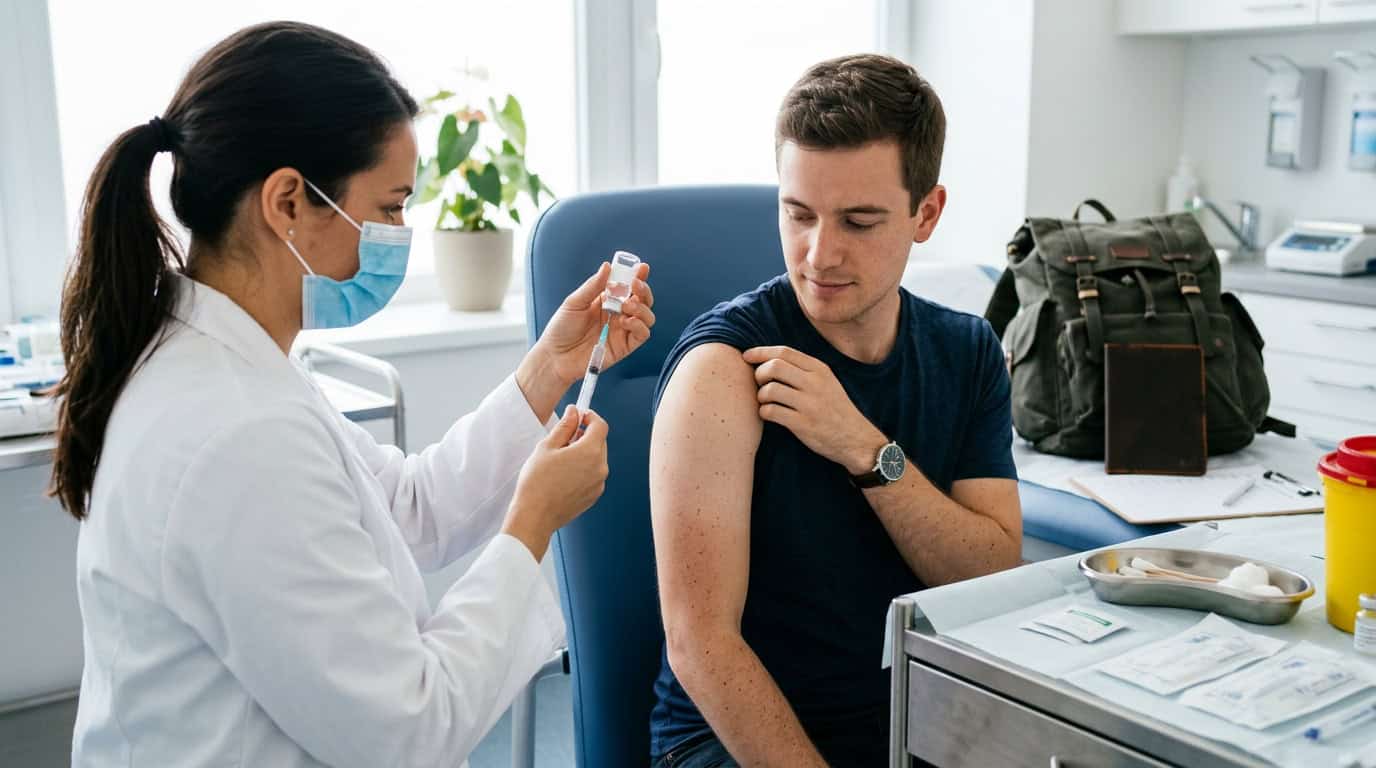
I like to schedule a pre-travel appointment 4 to 6 weeks before departure, giving my clinician time to review recommendations and complete any vaccine series that may require more than one dose. Advice depends on the exact countries, regions, cities, transit airports, travel season, trip length, accommodations, and planned activities. A beach resort stay may call for different preparation than a remote hiking adventure. I also check destination-specific guidance shortly before leaving because entry requirements and health recommendations can change. Planning ahead helps me set off with confidence instead of spending the final days before a flight searching for answers.
To make the appointment as useful as possible, I bring my vaccination records, passport, detailed itinerary, and confirmed departure date. I also share whether I will be swimming, trekking, visiting animals, eating in rural areas, or spending time in crowded cities, since these details can affect personalized advice. My medication list, known allergies, pregnancy status or plans for pregnancy, and relevant medical conditions are equally important. If I cannot find my records, I still attend the appointment because a clinician can help determine what information is available and what steps may be appropriate.
Even travelers leaving within days, or in rare cases within hours, can benefit from professional guidance. A last-minute appointment may identify routine vaccines that are due, destination-specific precautions, required documentation, or practical ways to reduce health risks during the journey. I bring every detail I have, including a rough route and planned stopovers, so the advice reflects the trip I am actually taking. With a clear checklist and an open conversation, I can focus less on uncertainty and more on the experiences waiting beyond the airport.
Routine Vaccines And Destination Risks
I start every travel vaccination checklist by confirming that my routine immunizations are up to date, since familiar illnesses can still disrupt an unforgettable trip. Depending on my age, health history, and destination guidance, I check protection against measles, influenza, COVID-19, tetanus, and polio. About 4 to 6 weeks before departure, I arrange a pre-travel appointment and bring my vaccination record, passport, and complete itinerary, including regions, cities, and transit airports. Even if I am leaving sooner, I still seek medical advice because some vaccines, boosters, or preventive steps may be useful at short notice.
Once routine protection is confirmed, I research risks tied to the exact places and experiences on my itinerary instead of relying on a universal list. Hepatitis A or typhoid may be considered for certain destinations, while hepatitis B can be especially relevant for longer stays, healthcare work, or situations involving possible medical treatment. Camping, rural travel, animal contact, or extended time outdoors can affect the discussion around rabies or Japanese encephalitis. Yellow fever or meningococcal vaccination may depend on regional transmission and entry requirements. I also mention whether I am visiting friends and relatives, since staying in local homes and spending more time in communities can create different exposure patterns than a short urban hotel stay.
My destination research becomes more useful when I note the season, trip length, accommodation, activities, pregnancy status, medical conditions, and previous vaccinations. I compare current country-specific guidance with advice from a qualified clinician or travel-medicine professional, then allow time for multi-dose schedules and any required documentation. Requirements can change, so I recheck recommendations shortly before departure, especially for yellow fever or polio rules connected to border crossings and transit. With this small investment in planning, I can spend more energy picturing sunrise markets, mountain trails, and welcoming neighborhoods instead of worrying about preventable disruptions.
Vaccine Timing And Travel Documents

I start my travel vaccination checklist at least 4 to 6 weeks before departure, when there is enough time for a clinician or travel-medicine clinic to review my plans. At the appointment, I bring my vaccination record, passport details, and a complete itinerary that includes countries, regions, cities, activities, and transit airports. This matters because recommendations can vary between a city stop, a rural excursion, and a long layover in another country. Even if my trip is only days away, I still seek advice because some protection may be possible at the last minute.
Multi-dose vaccines require extra planning, so I mark each dose on my calendar and leave room for follow-up appointments. When possible, I also avoid scheduling a major departure immediately after a dose, giving myself time to manage common side effects before a long flight or active adventure. A clinician can explain which routine vaccines may need updating and whether destination-specific vaccines are recommended based on my health, age, pregnancy status, season, and planned activities. Building this timeline early turns a stressful pre-trip task into one more reassuring step toward exploring new streets, natural scenery, and local flavors.
Before I leave, I check official destination guidance again because entry and transit rules can change. I keep a written vaccination record with my passport and a digital backup, including dates and vaccine names, in case an airline, border official, or healthcare provider needs to see it. I also confirm whether an International Certificate of Vaccination or Prophylaxis, commonly called the yellow card, is required for entry or transit, and I carry the original document when applicable. With these details organized, I can focus less on paperwork and more on the sunrise, market, or mountain trail waiting at the other end of the journey.
Packing And Vaccine Follow Up
I keep a travel health folder in both paper and digital form, so a busy airport or weak signal never leaves me searching for essential details. My travel vaccination checklist includes my vaccination record, clinician recommendations, prescriptions, insurance information, and emergency contacts, along with my passport and a copy of my itinerary. I also note the exact countries, regions, cities, and transit airports I will visit, since recommendations can vary even within one country. A secure cloud backup and an offline copy on my phone make these details easier to access while I am weaving through a bustling market or checking into a remote mountain lodge.
I try to schedule a pre-travel appointment at least 4 to 6 weeks before departure because some vaccines require multiple doses or time to become effective. During the visit, I share my planned activities, accommodations, travel season, medical conditions, pregnancy status if relevant, and previous vaccination history so the advice fits my trip. There is still value in seeking guidance even if I am leaving within days. I also check destination-specific requirements again shortly before departure because recommendations can change. Before I zip my bag, I confirm my prescription supplies, refill timing, and how to reach medical assistance through my insurance.
Vaccination is one important layer of preparation, not a substitute for everyday choices that protect the rest of my journey. I pair it with careful food and water habits, insect-bite prevention, hand hygiene, and safe interactions with unfamiliar animals, whether I am heading toward a tropical shoreline or a high-altitude trail. I also save information about where to seek care after returning home, especially if I develop a fever, persistent stomach symptoms, rash, or other unusual signs. With those precautions organized, I can focus more fully on the colors, flavors, and unexpected moments that make travel memorable.
Travel Vaccination Checklist Conclusion

I treat a travel vaccination checklist as a destination-specific planning tool, not a universal list to copy from one trip to the next. I review every country, region, city, and transit airport on my itinerary, along with the season, trip length, planned activities, and type of accommodation. Because recommendations and entry requirements can change, I check current official guidance shortly before departure and bring my questions to a qualified clinician or travel-medicine clinic. Ideally, I schedule that appointment 4 to 6 weeks before leaving, but even a last-minute consultation can help identify useful options.
Before my appointment, I gather my vaccination record, passport details, and complete itinerary so my clinician can assess my personal needs. Together, we review routine vaccines, destination-related risks, medical conditions, pregnancy status, age, and previous doses. We then create a schedule that allows multi-dose vaccines to be completed on time when possible. I also confirm whether any vaccination certificate or other health documentation may be needed for entry, and I keep those records accessible alongside my travel documents. This simple organization turns scattered research into a clear plan I can follow with confidence.
Once the checklist is complete, I feel better prepared to trade uncertainty for anticipation, whether I am exploring a bustling market, hiking through highland trails, or watching the sunset over a distant coastline. Thoughtful health preparation cannot predict every moment abroad, but it can help me focus on the people, flavors, scenery, and stories that make travel memorable. I use my final review to confirm appointments, finish scheduled doses, pack documentation, and revisit destination guidance before departure. With those practical details in place, I can set off with greater peace of mind and more room for curiosity.
I Build My Personalized Vaccination Plan
A travel vaccination checklist gives me a clear starting point for preparing, but it is not a one-size-fits-all list. I consider every destination and stop along the way, including regions, cities, transit airports, travel season, trip length, planned activities, and accommodation style. My age, health conditions, pregnancy status, and previous vaccination history also matter, so I review these details with a clinician or travel-medicine professional. Destination guidance can change, which makes checking reliable official sources shortly before departure an important final step.
I try to schedule a pre-travel appointment at least 4 to 6 weeks before leaving, bringing my vaccination record, passport, and complete itinerary. That extra time can help me understand which routine or travel-related vaccines may be appropriate and whether more than one dose is needed. Even if my departure is only days away, I still seek advice because some protection and practical precautions may remain worthwhile. With my health documents organized and questions answered, I can spend less time worrying about preparation and more time looking forward to new streets, natural scenery, and unforgettable experiences.