
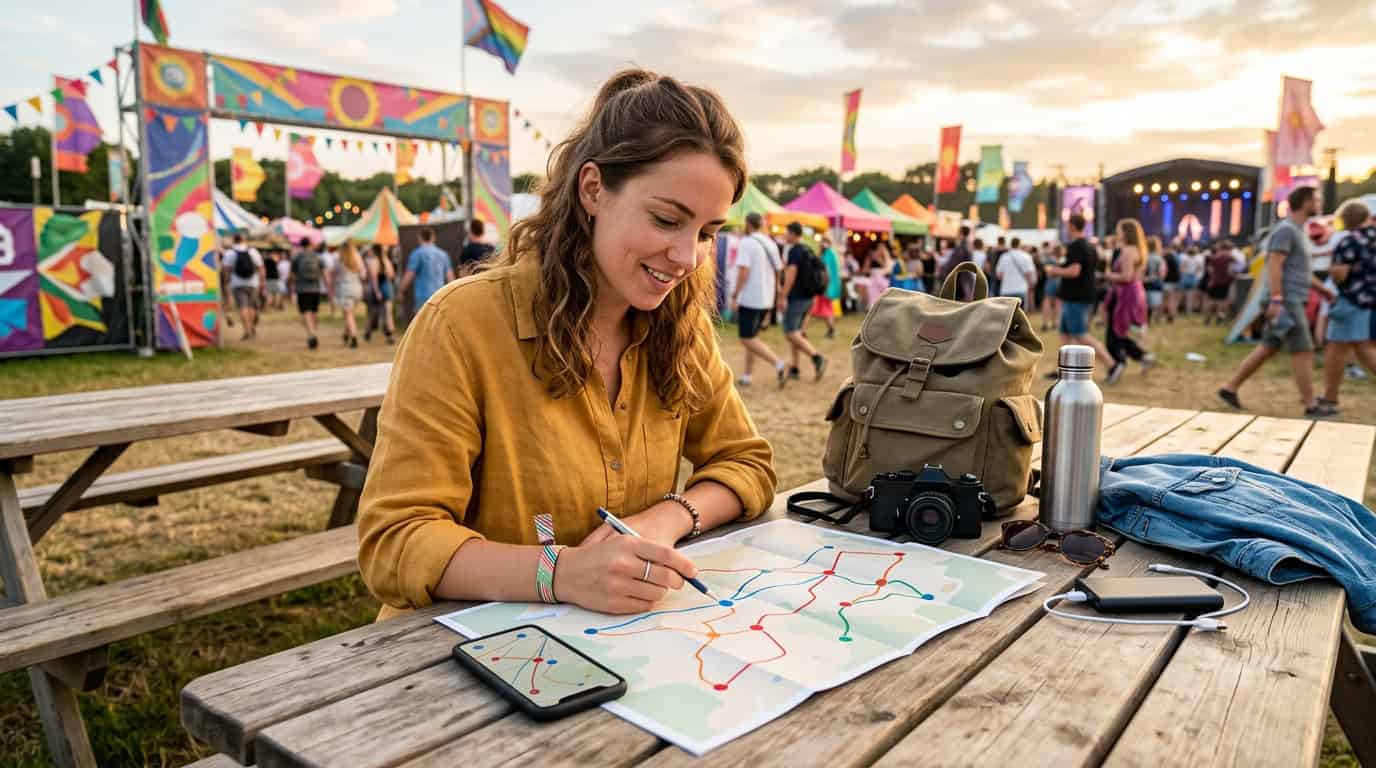
Festival travel planning can turn a great event into an unforgettable getaway. I still remember the thrill of stepping off the train into a city buzzing with music, tempting food aromas, and colorful crowds. The trip felt even better because I had secured my accommodation, mapped my route, and left room for spontaneity. With the right plan, I can spend less time managing logistics and more time enjoying every memorable moment.
I start by choosing the festival experience I want, then build the trip around it. I compare nearby neighborhoods, book transportation early, and leave room for local cafés, scenic walks, and discoveries beyond the festival grounds. A thoughtful itinerary can transform a single event into a richer journey filled with destination highlights, memorable detours, and stories I will want to share long after the final performance.
Key Takeaways
- Book festival tickets, accommodation, and transportation early, especially for high-demand events. Choose refundable options when possible and confirm entry rules, schedules, parking, and backup routes before traveling.
- Choose lodging by balancing convenience, cost, sleep quality, and reliable late-night transportation. Staying near the venue saves time, while a quieter neighborhood can provide better rest and a richer local experience.
- Build a crowd-smart itinerary with priority performances, rest breaks, flexible time, and extra allowance for security lines, transit delays, and unexpected discoveries. Treat the festival as the centerpiece while reserving time for local food, landmarks, and nearby escapes.
- Prepare for changing conditions by carrying backup tickets, identification, medication, weather-appropriate essentials, and a portable charger. Download key information offline, establish meeting points, and keep emergency funds and alternate activities available.
Introduction To Festival Travel Planning
I still remember arriving in Seville just as the city’s spring festival was coming to life. Music spilled into the streets, colorful decorations stretched overhead, and outdoor tables filled with regional food. The event inspired me to book the trip, but it quickly became the rhythm around which I planned everything else. I spent my mornings exploring historic neighborhoods, my afternoons tasting local dishes, and my evenings joining crowds gathered for performances and celebrations. That experience showed me how festival travel can turn a single event into a richer journey through a destination.
Successful festival travel planning begins well before the first song, parade, tasting, or gallery opening. Popular festivals can fill nearby hotels months in advance, while flights, trains, rental cars, and local shuttles often become more expensive as the dates approach. I confirm ticket release dates and entry rules early because some events sell out quickly or require timed admission. Booking refundable accommodation and mapping a backup transportation route can make the trip feel much less stressful.
Crowds are part of the excitement, but they also shape how I plan each day. I review the festival schedule, identify the busiest venues, and allow extra time for security lines, crowded streets, and slower local transit. Quieter activities, such as a neighborhood walk, scenic day trip, or relaxed meal away from the main grounds, give the journey a welcome change of pace. Once I handle the practical details, I can focus on enjoying the atmosphere and discovering the destination beyond the festival gates.
Choose The Right Festival Destination
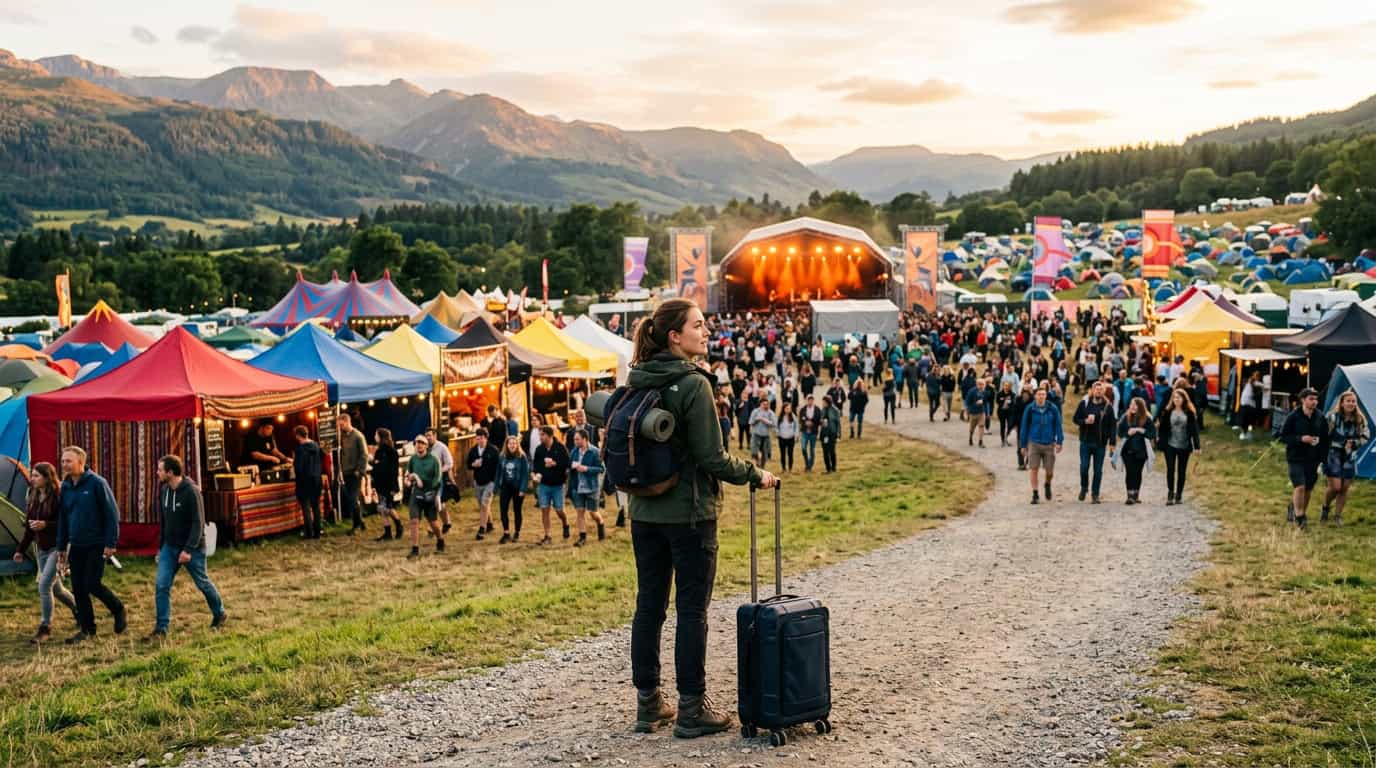
Choosing the right destination is the foundation of successful festival travel planning. I compare festival dates with local weather, school holidays, and other major events that could affect room availability and transportation. A sunny outdoor celebration may sound perfect, but intense heat or a rainy season can change what I pack and how much time I spend exploring. I also check whether tickets go on sale in stages, since booking the event and accommodation early can make a busy weekend far easier to manage.
The festival itself should be only one part of a destination’s appeal. I look for a walkable historic neighborhood where I can enjoy quiet morning streets, restaurants serving regional specialties, and cultural experiences that reveal more than the main stage. Event size matters too. A large festival can bring unforgettable energy, while a smaller gathering may offer easier transport, shorter lines, and more meaningful connections with the community. Before committing, I sketch out nearby escapes such as a scenic trail, waterfront, village, or museum so the trip remains rewarding between performances.
I also plan around the practical realities of a crowded event weekend. I compare accommodation locations, estimate travel time to the festival grounds, and identify backup routes in case public transport fills up or roads close. Staying within walking distance can be worth the extra cost, but a quieter neighborhood nearby may provide better sleep and a more relaxed atmosphere. By balancing dates, weather, event scale, accommodation, transport, and nearby attractions, I can turn a single ticket into a memorable journey.
Book Festival Lodging And Transport
For high-demand festival weekends, I reserve accommodation and long-distance transport as soon as my dates are confirmed. For major music, cultural, or sporting events, I may book six to nine months ahead. Hotels near the venue can sell out first, while vacation rentals may have minimum stays or stricter cancellation policies, so I compare both before booking. I also check when trains and flights release their schedules, then choose refundable options when possible in case the festival lineup or my plans change. If I am driving, I reserve parking or a shuttle spot in advance rather than assuming space will be available when I arrive.
Staying within walking distance of the venue makes late nights easier and lets me return to my room for a break, but the convenience usually comes with higher rates and livelier streets. I sometimes choose a quieter neighborhood a few train stops away, especially when I want local cafés, restful mornings, and a more relaxed destination experience. Before committing, I map the route back after dark and confirm the last train, bus, or shuttle departure. A slightly longer commute can be worthwhile if it means better sleep and more time to explore beyond the festival grounds.
On arrival day, I build in extra time for airport lines, luggage delays, road closures, and crowded public transportation. I download transit maps, save my accommodation address offline, and decide in advance whether I will use a train, bus, rideshare, taxi, or prebooked shuttle. After the final performance, I wait out the first wave of departing crowds by visiting a nearby café or meeting point instead of competing for the first available ride. These small choices turn festival travel planning from a stressful scramble into a smooth trip filled with anticipation.
Build A Crowd Smart Festival Itinerary
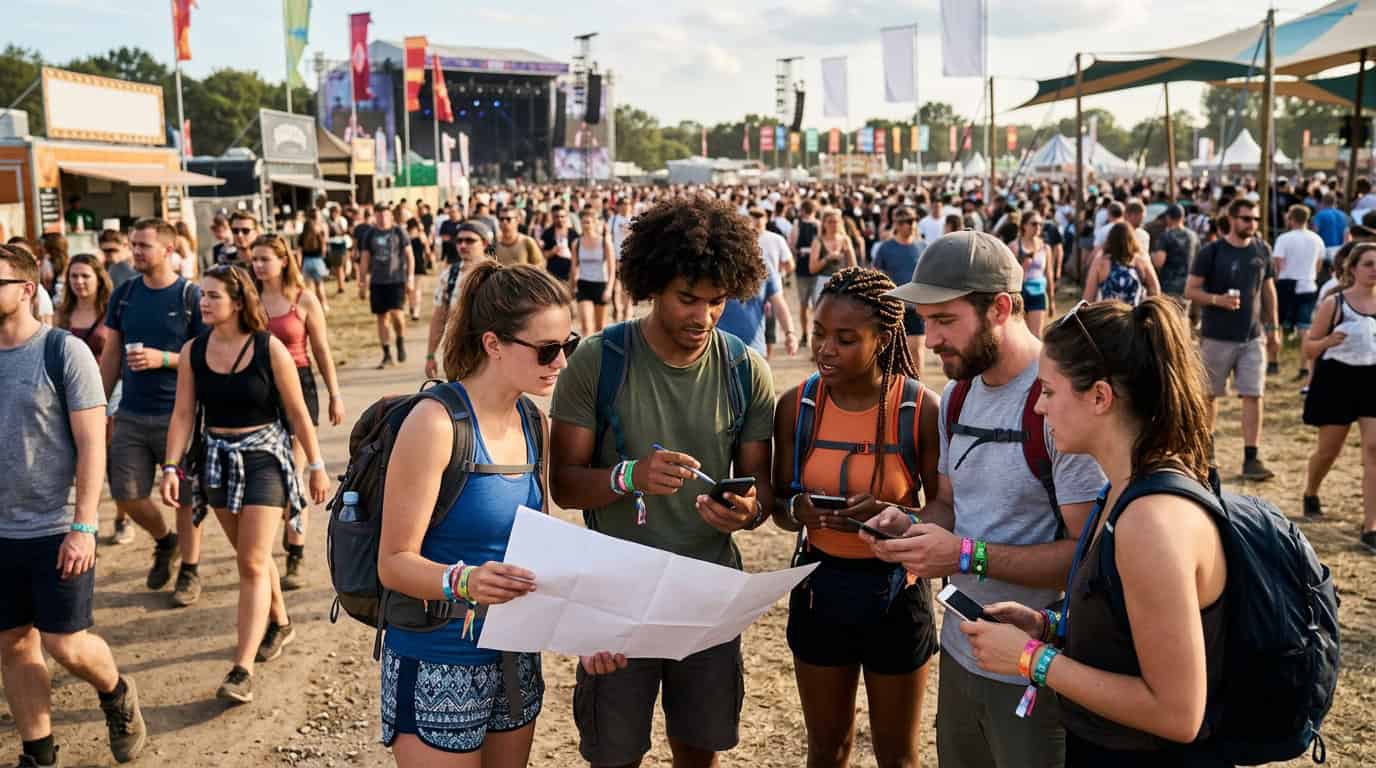
I start festival travel planning by choosing accommodation within an easy walk or a direct transit ride of the venue. Before tickets go on sale, I map the last train, shuttle, and rideshare pickup points. Staying close may cost more, but it can save valuable time in crowded streets and make a late return far more comfortable. I also reserve accommodation early, especially for popular summer weekends, and keep digital copies of tickets, venue rules, and confirmation details available offline. Before filling every hour, I check set times, entry requirements, weather, and nearby restaurants that accept reservations. This preparation leaves room for the spontaneous moments that often become the best part of a festival trip.
For a three-day music festival in Lisbon, I would spend the first afternoon exploring Alfama, riding the historic tram through the old streets, and enjoying a relaxed dinner near the waterfront. On the main event day, I would start with a generous breakfast, arrive early enough to get oriented, and choose two or three priority performances instead of racing between every stage. I would schedule a proper meal and a quiet break outside the busiest areas, since a shaded café or a short rest at the hotel can restore more energy than another rushed set. Comfortable shoes, a refillable water bottle, a light layer, and a fully charged phone make long hours in a crowd much easier. Keeping one open hour between major acts also helps me manage delays, bathroom lines, and unexpected discoveries without feeling behind.
The final morning works best when I treat it as part of the journey rather than an extension of the festival. After a late breakfast, I might visit the Belém waterfront, explore the gardens near the Tower of Belém, or linger over coffee and pastries before heading home. I avoid booking an early departure immediately after the last performance because a slower morning gives me time to recover and allows for crowded transport or a delayed checkout. Leaving my bags at the accommodation and confirming the route to the airport or station in advance keeps this final outing light and stress-free. When performances, meals, sightseeing, and flexible downtime share the itinerary, the festival becomes a memorable destination experience instead of an exhausting schedule.
Pack Tickets Safety And Flexibility
I save digital tickets in my phone’s wallet and email, then carry a printed backup in a separate pocket in case the signal fails or my battery dies. My festival bag also includes weather-appropriate layers, comfortable shoes, a portable charger, and a refillable water bottle when the venue allows one. I bring photo identification, essential medication in its original packaging, and any documents required for international travel. Before leaving, I check the venue’s rules for bag sizes, outside food and drinks, prohibited items, reentry, and accessibility. These small preparations let me focus on the music, food, and colorful energy instead of scrambling at the entrance.
A flexible plan is just as important as a well-packed bag when festival travel revolves around a fixed event date. I save the official schedule offline, identify a few alternate performances or activities, and reserve popular experiences early because sold-out events may not have last-minute availability. For outdoor celebrations, I check the forecast regularly and allow extra time for weather-related transport delays, changed performance times, or temporary closures. I also set aside an emergency fund for unexpected costs such as surge-priced rides, replacement gear, or an unplanned night near the venue. Keeping accommodation and transport options as flexible as possible gives me room to adapt without losing the spirit of the trip.
Crowded spaces are easier to navigate when my travel companions and I agree on meeting points before entering the festival grounds. We choose a landmark that is easy to spot, set a specific time to regroup, and share our accommodation address and offline contact details in case phone service becomes unreliable. I usually arrive early enough to collect wristbands, locate restrooms and water stations, and understand the routes between stages or event areas. A quick check-in message before the busiest performances helps everyone enjoy their own plans while knowing where to reconnect. With tickets secure, essentials close at hand, and a backup plan ready, I can explore the destination with confidence.
Festival Travel Planning Conclusion
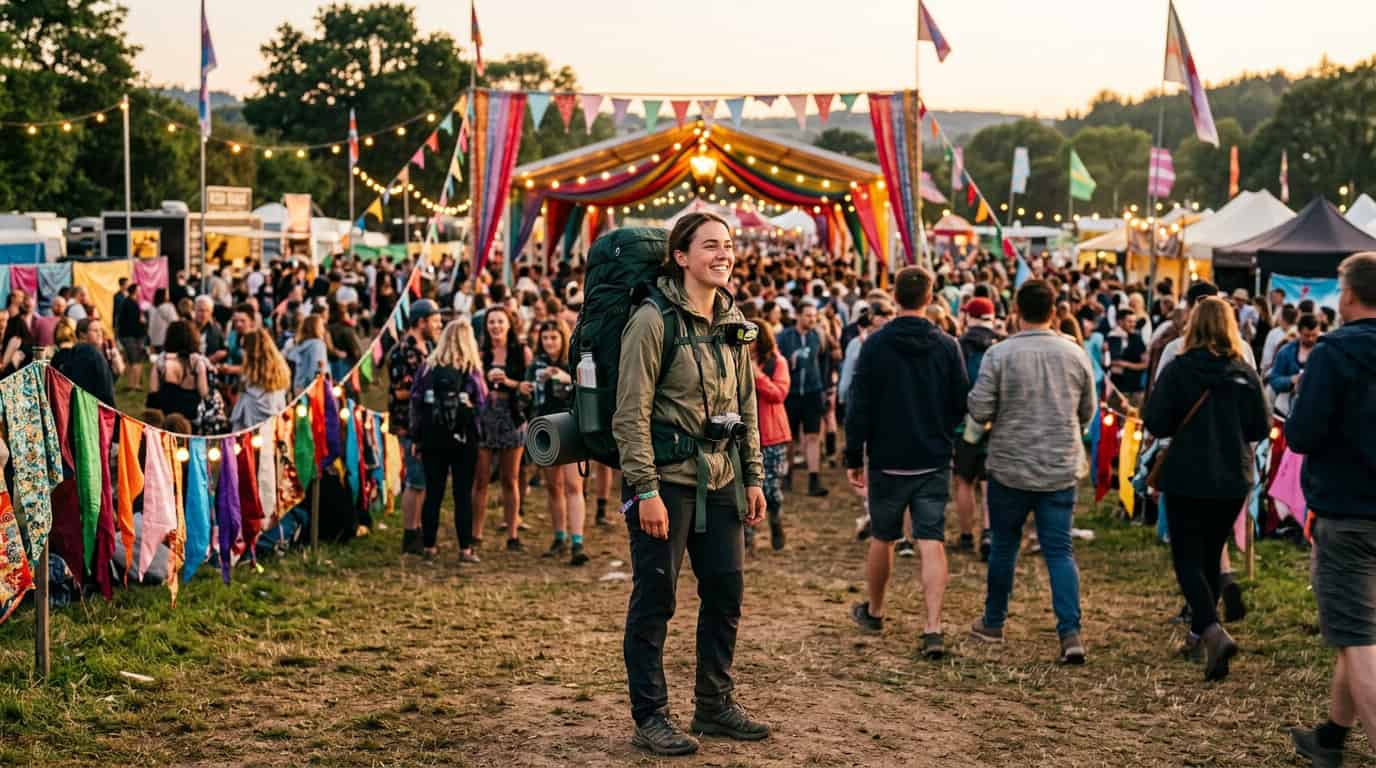
The best festival travel planning balances careful preparation with room for the unexpected. I like to reserve tickets, accommodation, and major transport connections early, especially when a popular celebration can fill nearby rooms and crowd regional trains or roads. I also check entry times, local transit, weather, baggage rules, and backup routes before leaving, so small surprises do not overshadow the experience. With those essentials settled, I can focus on the music, traditions, flavors, and shared excitement around me.
A festival should be the centerpiece of the journey, not the only destination on the map. Before traveling, I research the surrounding neighborhoods, regional food, nearby landmarks, and seasonal activities, then leave a day or two open for discoveries that cannot be scheduled. I might find a quiet café after a lively parade, follow a local recommendation to a coastal viewpoint, or wander through a historic market before the evening performance. Thoughtful logistics give me confidence, while curiosity turns a planned event into a memorable wider adventure.
Plan Ahead for a Seamless Festival Journey
Festival travel planning turns an exciting event into a smoother, more memorable journey when I prepare well in advance. I book accommodation as soon as dates are confirmed, especially when the festival draws visitors to a small town or popular destination. I also compare train routes, airport transfers, parking options, and local transit before arriving, since crowded roads and packed shuttle services can quickly change the day’s plans. Checking ticket release dates, entry rules, weather forecasts, and the festival schedule helps me avoid last-minute surprises.
The best festival trips leave room for the destination itself, whether that means exploring a historic neighborhood, tasting regional food, or finding a quiet viewpoint after the crowds fade. I pack for long days, bring practical essentials, and allow extra time for security lines and busy streets. With accommodation, transportation, tickets, and a flexible daily plan in place, I can focus on the music, culture, and shared excitement that inspired the trip. A little preparation makes it easier to travel confidently and return home with vivid memories beyond the main event.