
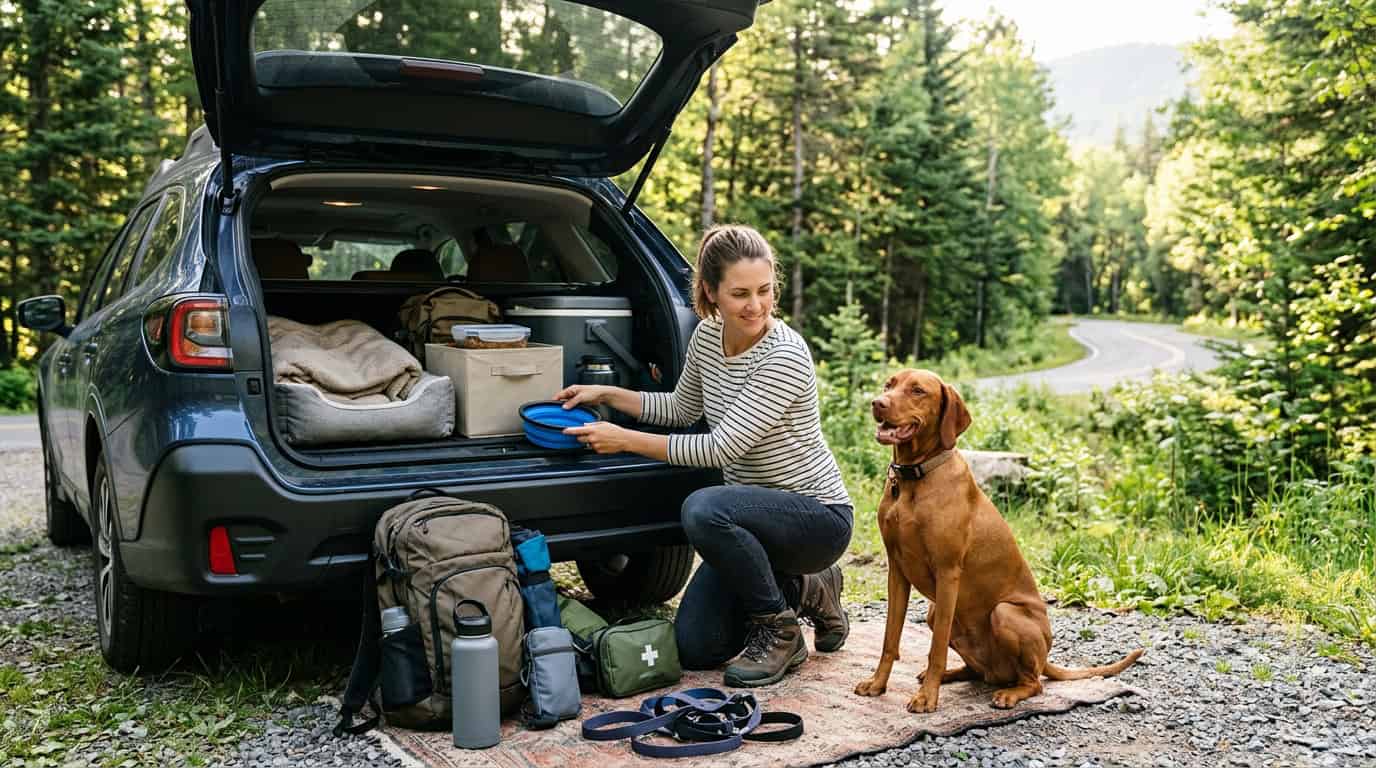
Pet-friendly travel planning starts with one simple shift: I treat my pet’s journey as its own itinerary, not an afterthought on mine. A sunny road trip or cabin getaway can quickly become stressful when transportation rules, lodging policies, health documents, and local restrictions do not align. I have learned that checking each detail early turns a last-minute scramble into a smooth escape filled with open windows, new trails, and relaxed tail wags.
The best trips balance adventure with what my pet can comfortably handle. From choosing shaded hiking routes and pet-welcoming beaches to mapping rest stops, packing familiar food, and confirming access rules, thoughtful preparation makes every mile easier. With the right plan, even an unfamiliar destination can feel like home, just with more room to roam.
Key Takeaways
- Treat your pet’s journey as a separate itinerary by verifying transportation rules, lodging policies, destination restrictions, fees, and required health documents before booking.
- Prioritize your pet’s comfort with familiar food and bedding, secure carriers or restraints, regular meals and bathroom breaks, exercise, rest, shade, water, and weather-appropriate activities.
- Research every stop individually—including hotels, parks, beaches, trails, restaurants, and attractions—because “pet-friendly” policies vary by location, season, and specific access rules.
- Prepare for disruptions by carrying printed and digital records, medications, emergency contacts, extra supplies, nearby veterinary information, and flexible backup activities.
Introduction To Pet-Friendly Travel Planning
Pet-friendly travel planning starts with treating my pet’s journey as a separate itinerary, not an afterthought added to my own. I begin by checking transportation rules before booking anything, including carrier dimensions, in-cabin or cargo restrictions, rest-stop options, and destination requirements. For a road trip, I map out pet-friendly breaks and choose quieter routes when possible. Air travel requires extra time and a direct conversation with the carrier about current policies. This early research helps prevent stressful surprises at the airport, on the highway, or at the border.
Lodging deserves the same careful attention because “pet-friendly” can mean very different things from one property to another. I confirm whether pets are allowed in the specific room, ask about fees and weight limits, and check rules for leaving an animal unattended, using common areas, or accessing nearby parks and trails. Before departure, I also gather vaccination records, identification details, medication instructions, and any health certificates required by the destination. Keeping digital copies alongside printed documents gives me a reliable backup when internet access is limited.
The most enjoyable trips preserve familiar routines while making room for new experiences. I pack my pet’s usual food, water bowl, bedding, leash, waste bags, and a favorite comfort item. Then I plan meals, exercise, bathroom breaks, and quiet time around the day’s sightseeing. A sunrise walk along a coastal path or a shaded pause at a mountain overlook can become the highlight of the journey when my pet feels safe and included. With transportation, lodging, documents, and daily care organized in advance, the trip feels less like a logistical puzzle and more like an exciting shared adventure.
Choosing Pet-Safe Transportation Options
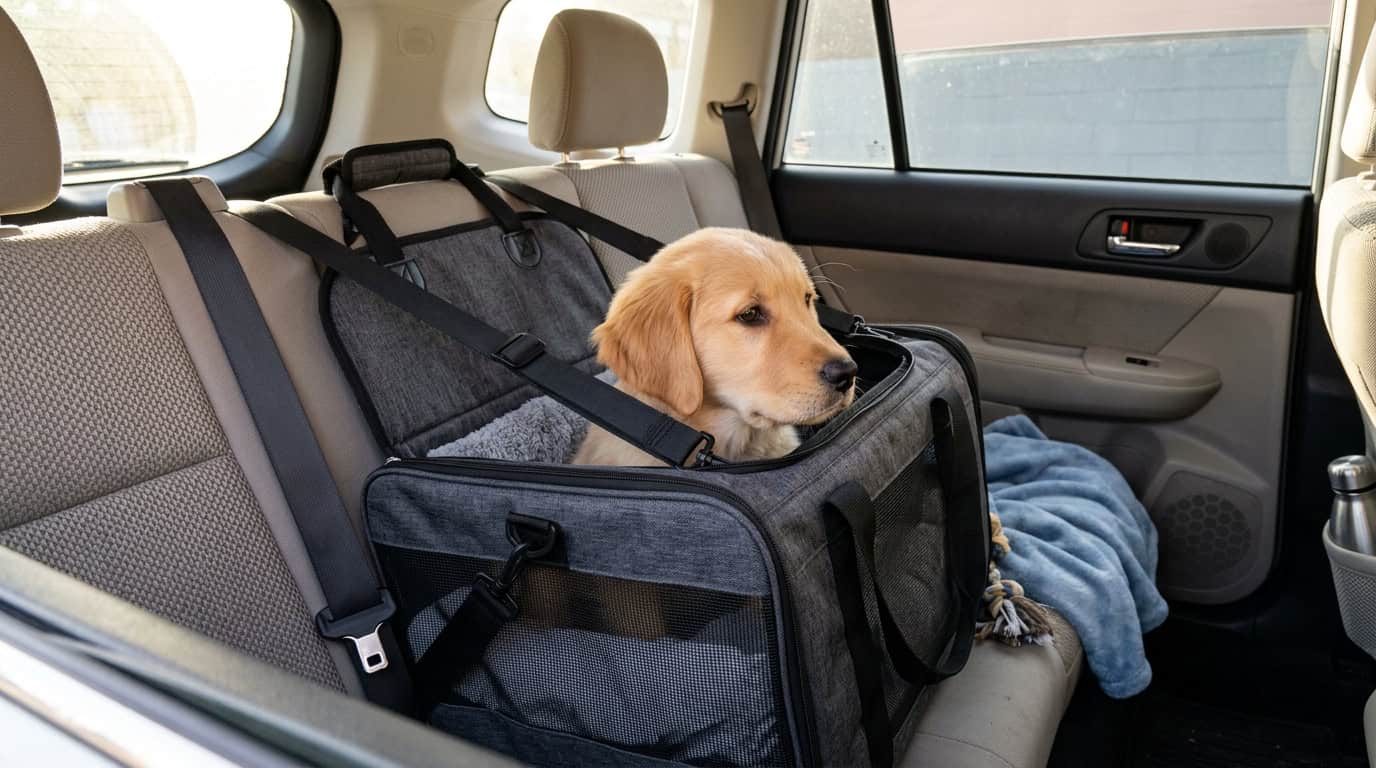
I usually begin by comparing the journey with my pet’s comfort level, not just the travel time. Road trips offer the most flexibility, with room for familiar bedding, water, and frequent stops. Air travel may be practical for long distances, but it requires close attention to carrier dimensions, cabin or cargo eligibility, breed and health restrictions, temperature limits, fees, and advance reservations. Trains, buses, and ferries can be useful alternatives, although each operator may limit pet size, require a carrier, or restrict animals to certain routes and seating areas. I check the official transportation rules for every leg of the trip before booking, then call to confirm anything unclear because policies can vary by route, season, and destination.
A calmer journey starts weeks before departure, especially if my pet is not used to motion or enclosed spaces. I practice short rides in the travel carrier, gradually extending the distance, and secure the carrier so it cannot slide or tip and remains protected from drafts and direct sun. For a road trip, I plan pet-friendly stops every few hours for water, bathroom breaks, and gentle movement. Air travelers should ask a veterinarian about safe preparation and avoid sedating a pet unless specifically advised. I also keep food, medication, waste bags, a leash or harness, and a familiar blanket within easy reach instead of burying them in the luggage.
Before leaving, I create a travel folder that organizes my pet’s plans as carefully as my own itinerary. It includes vaccination and health records, identification and microchip details, prescriptions, emergency contacts, reservation confirmations, carrier measurements, and copies of destination requirements. I review the forecast for departure, arrival, and any connections because temperature restrictions can change quickly and may affect whether a pet is accepted. With those details organized, I can focus less on last-minute surprises and more on enjoying the open road, changing scenery, and adventure ahead together.
Verifying Pet-Friendly Lodging And Destinations
I treat my pet’s trip as a separate itinerary, beginning with a destination-by-destination access check before booking anything. For hotels and vacation rentals, I confirm allowed pet sizes, breed restrictions, fees, deposits, maximum pet counts, and whether pets may stay unattended in the room. I also ask about flooring, nearby walking areas, elevators, and quiet spaces because those details can make a big difference after a long day on the road. “Pet-friendly” is only a starting point, so I save the policy or request written confirmation in case the rules change between booking and arrival.
Beyond the lodging, I research campgrounds, parks, beaches, restaurants, and attractions individually rather than assuming the entire destination welcomes animals. A beach may allow dogs only during certain hours, a scenic trail may require a leash, and an outdoor restaurant may restrict pets to a specific patio. I check official destination websites for seasonal closures, permits, restricted wildlife areas, and local leash requirements, then call ahead when the information is unclear. This extra work helps me build a realistic daily plan with pet-friendly stops, shaded rest breaks, water access, and backup activities for places my companion cannot enter.
Before departure, I review transportation rules and gather every document my pet may need, including vaccination records, identification details, medication instructions, and any destination-specific health certificate. I keep digital and printed copies, confirm carrier or vehicle requirements, and plan how my pet will handle bathroom breaks, meals, exercise, and quiet time during transit. I also make a short arrival checklist covering the room inspection, emergency veterinary care, nearby supplies, and the property’s unattended-pet policy. With these details settled in advance, I can focus on enjoying mountain views, open trails, and waterfront sunsets without discovering an avoidable restriction halfway through the trip.
Building A Pet-Centered Trip Itinerary
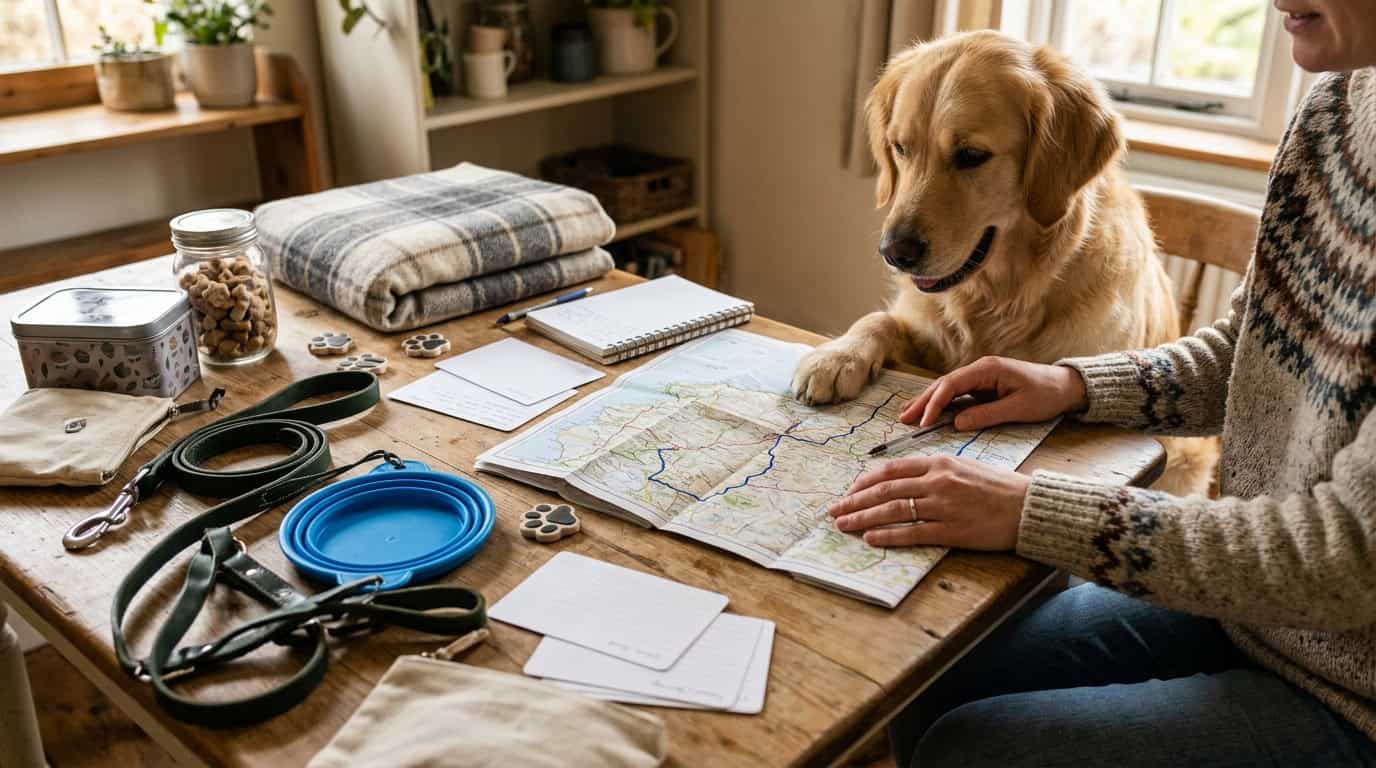
I build my pet’s itinerary as carefully as I build my own, starting with transportation rules, lodging requirements, and essential documents. Before booking, I confirm whether my carrier, vehicle, train, or flight allows pets, then check vaccination records, identification, health certificates, fees, and any size or breed restrictions that may apply. I also contact the accommodation directly to verify pet access, nearby potty areas, elevator or stair arrangements, and whether pets can be left alone in the room. This small checklist prevents stressful surprises and gives me more time to enjoy the destination.
For a three-day visit to Portland, Maine, I might begin with a gentle morning walk along the Eastern Promenade, return for breakfast and a quiet rest, then explore the Old Port at a relaxed pace while checking which patios and shops welcome pets. After lunch and a bathroom break, I would choose a scenic coastal drive or a leashed walk at a permitted waterfront area, leaving plenty of downtime before dinner. On the second day, I could visit a dog-friendly trail outside the busiest downtown areas, pause for water and shade, and spend the evening at a pet-welcoming patio or enjoy takeout at the lodging. I always verify seasonal access rules before visiting beaches, parks, trails, and attractions because pet policies can change.
Weather and energy levels shape the schedule just as much as sightseeing does, so I plan shorter outings during hot afternoons, carry water and waste bags, and protect paws from hot pavement or icy paths. If rain, heat, or crowds make the main plan uncomfortable, I keep backup options ready, such as a scenic drive, a quiet neighborhood stroll, a covered patio, or a restful picnic near the lodging. I aim for one memorable highlight each day rather than filling every hour with activities. That balance lets my pet experience new smells, views, and local flavors without turning the trip into an exhausting endurance test.
Preparing Health Documents And Travel Supplies
I schedule a veterinary checkup well before departure so I have time to update vaccinations, refill medications, and ask about travel-related concerns. I carry current health records, vaccination certificates, destination-specific permits or certificates, and a note with my veterinarian’s contact information. My pet’s identification tag includes my mobile number, and I check and update the microchip registration details before we leave. I also save digital copies of every document, along with emergency contacts and pet insurance information, in a secure folder that I can access without an internet connection.
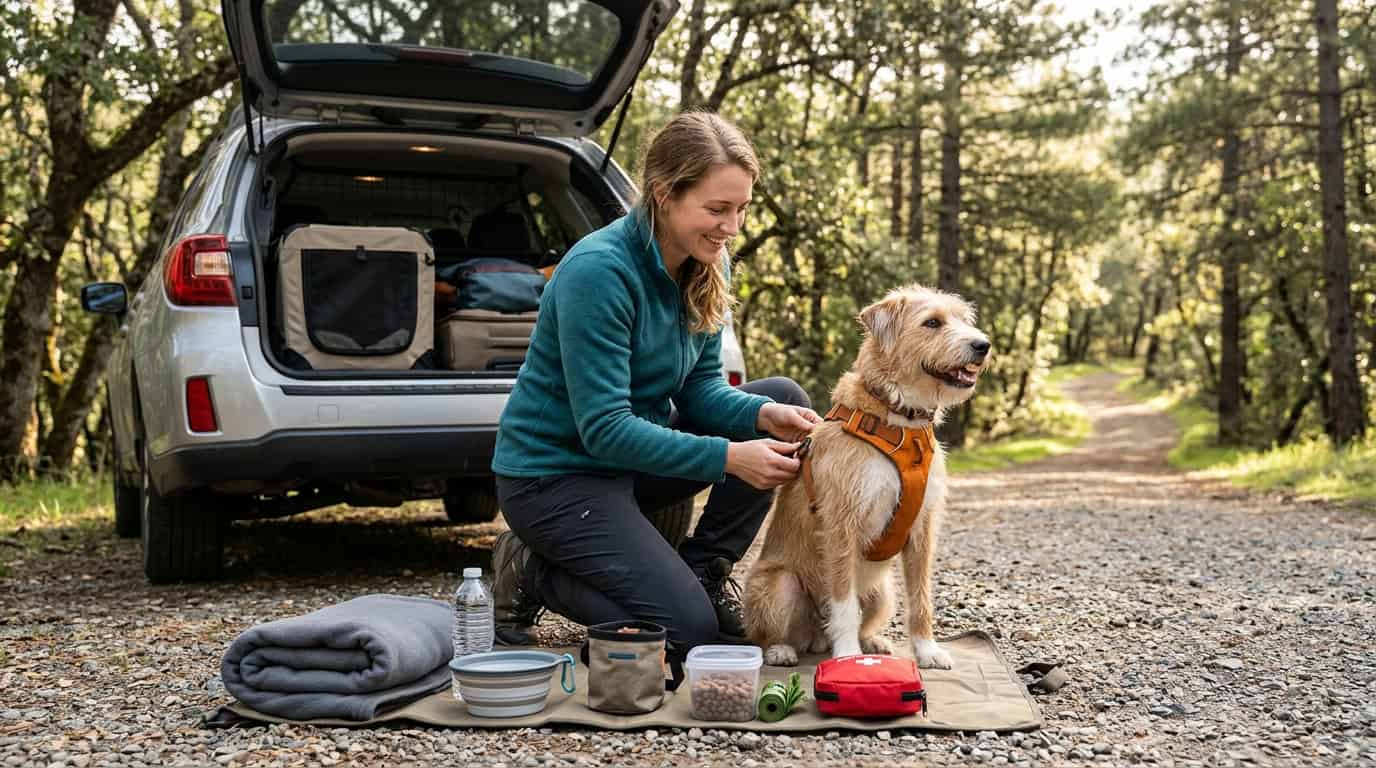
Packing my pet’s supplies separately makes the trip easier to manage, especially when we are changing hotels or stopping along the road. I measure enough familiar food for the entire journey, add extra portions in case of delays, and bring water from home for the first stretch to help avoid an upset stomach. My core packing list includes:
- Food, bottled water, collapsible bowls, bedding, and a favorite comfort object
- Leash, harness, carrier, waste bags, towels, and cleanup supplies
- Prescribed medications, a basic pet first-aid kit, and any calming tools recommended by the veterinarian
- Printed and digital copies of health records, certificates, emergency contacts, insurance details, and microchip information
Before I leave, I confirm the transportation rules, pet fees, carrier requirements, and vaccination policies for every part of the itinerary, including connecting stops and overnight accommodations. I also call lodging providers directly to verify restrictions such as size limits, breed policies, unattended-pet rules, and nearby walking areas. Keeping a small daily supply kit within easy reach helps me maintain familiar meal, medication, bathroom, and rest routines when the scenery changes from quiet highways to busy terminals or a new coastal town. That preparation gives me more freedom to enjoy the journey because I know my pet’s essentials and important records are ready whenever we need them.
Conclusion For Pet-Friendly Travel Planning
Pet-friendly travel planning works best when I treat my pet’s itinerary with the same care as my own. Before booking, I verify transportation rules, carrier or restraint requirements, pet fees, room restrictions, and whether the destination requires health certificates, vaccinations, or other documentation. I also save policy details and confirmation numbers in one place because a “pet-friendly” label does not always mean pets can join every room, trail, restaurant patio, or activity. That extra checking helps me avoid stressful surprises and build a trip around places where we are genuinely welcome.
A comfortable schedule matters just as much as a compliant one. I plan regular meal, water, bathroom, exercise, and rest breaks while keeping familiar food, bedding, medications, and a favorite toy close at hand. When I travel by car, I map safe stopping points before departure. When I fly or use other transportation, I allow extra time for check-in, security, transfers, and settling in. A slower rhythm leaves room for unexpected delays and gives my pet time to enjoy new scents, quiet parks, scenic walks, and unhurried moments together.
The most memorable journeys also include a thoughtful backup plan. I identify nearby veterinary care, confirm an emergency contact, check cancellation terms, and decide what I will do if weather, illness, transportation delays, or a closed attraction changes the itinerary. I keep digital and printed copies of important records, and I choose flexible activities that can move indoors or shift to another day. With verified details, familiar comforts, realistic timing, and room to adapt, I can turn pet-friendly travel planning into a safer, calmer adventure that we will both remember.
Plan Every Detail for Pet-Friendly Travel
Pet-friendly travel planning works best when I treat my pet’s journey as carefully as I plan my own. Before leaving, I confirm transportation rules, carrier or restraint requirements, pet fees, and destination restrictions. Then I organize vaccination records, identification details, medications, and any required health certificates in one easy-to-reach folder. I also contact each accommodation directly to verify its current pet policy, weight limits, fees, room restrictions, and nearby outdoor areas. These small checks have helped me avoid stressful surprises and spend more time enjoying quiet walks, scenic stops, and new places together.
A comfortable trip also depends on protecting familiar daily routines. I pack my pet’s usual food, water bowl, bedding, leash, waste bags, and a few favorite toys while scheduling regular breaks for exercise, meals, bathroom needs, and rest. On one memorable road trip, a shaded park stop and an unhurried afternoon walk turned a long travel day into one of our favorite experiences. With thoughtful preparation, flexible travel planning, and plenty of patience, pet-friendly travel planning can transform a complicated journey into a rewarding adventure that you and your companion will remember.